Sodium Bicarbonate → HCID 69312961, compound
Reaction equation

[Cl:1][C:2]1[CH:7]=[CH:6][C:5]([C:8]2([CH2:18][C:19]([NH2:21])=[O:20])[CH:15]3[CH2:16][CH:11]4[CH2:12][CH:13]([CH2:17][CH:9]2[CH2:10]4)[CH2:14]3)=[CH:4][CH:3]=1.F[B-](F)(F)F.[CH3:27][O+](C)C.C(=O)(O)[O-].[Na+]>C(Cl)Cl>[Cl:1][C:2]1[CH:7]=[CH:6][C:5]([C:8]2([CH2:18][C:19](=[NH:21])[O:20][CH3:27])[CH:9]3[CH2:17][CH:13]4[CH2:12][CH:11]([CH2:16][CH:15]2[CH2:14]4)[CH2:10]3)=[CH:4][CH:3]=1Participants
5




Procedure
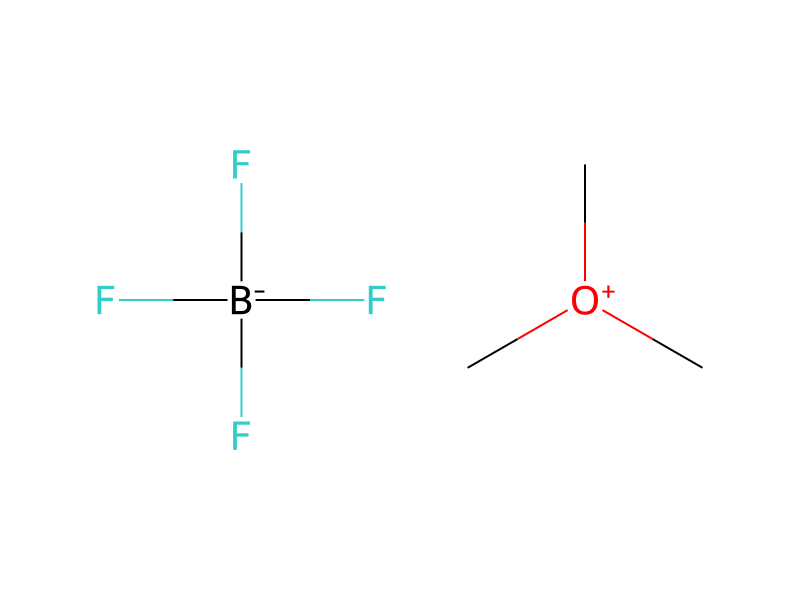
A solution of 6-1a (30 mg, 0.1 mmol) in 0.5 mL of anhydrous methylene chloride was treated with trimethyloxonium tetrafloroborate (30 mg, 0.2 mmol). The mixture was stirred under nitrogen for 18 h, then added to a separatory funnel containing 25 mL of methylene chloride and saturated aqueous sodium bicarbonate solution. The layers were mixed and separated and the organic layer was dried over anhydrous sodium sulfate and evaporated in vacuo to yield 32 mg of title compound, which was used without purification.
Workup
- additionadded to a separatory funnel
- additionThe layers were mixed
- customseparated
- dry with materialthe organic layer was dried over anhydrous sodium sulfate
- customevaporated in vacuo
Sources & evidence
- ORD record
- ord-3ce0c24138254d53ae4e5da71545740c
- Source dataset
- uspto-grants-2008_02
- Patent number
- US07329683B2
Reaction notes
Loading…