Nitrogen → 3,5-Didecyloxybenzyl Alcohol
Reaction equation

[H-].[Al+3].[Li+].[H-].[H-].[H-].N#N.C[O:10][C:11](=O)[C:12]1[CH:17]=[C:16]([O:18][CH2:19][CH2:20][CH2:21][CH2:22][CH2:23][CH2:24][CH2:25][CH2:26][CH2:27][CH3:28])[CH:15]=[C:14]([O:29][CH2:30][CH2:31][CH2:32][CH2:33][CH2:34][CH2:35][CH2:36][CH2:37][CH2:38][CH3:39])[CH:13]=1.O>CCOCC>[CH2:30]([O:29][C:14]1[CH:13]=[C:12]([CH:17]=[C:16]([O:18][CH2:19][CH2:20][CH2:21][CH2:22][CH2:23][CH2:24][CH2:25][CH2:26][CH2:27][CH3:28])[CH:15]=1)[CH2:11][OH:10])[CH2:31][CH2:32][CH2:33][CH2:34][CH2:35][CH2:36][CH2:37][CH2:38][CH3:39]Participants
Reactant 4
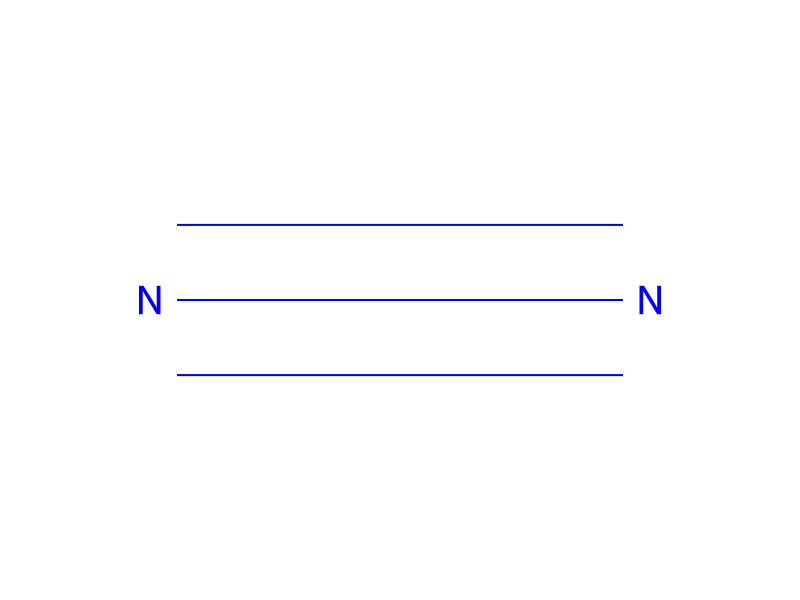



Product 1

Reagents, catalysts & solvents 1

Procedure
To a 250 mL flame dried RBF, lithium aluminum hydride (LAH) (2.21 g, 58.2 mmol) and a magnetic stir bar were added. The flask was sealed with a rubber septum into which N2 inlet/outlet needles were added. Dry ether (10 mL) was added via a syringe to the RBF to wet the LAH. Some gas was evolved. Methyl-3,5-didecoxybenzoate (20.0 g, 44.6 mmol) was dissolved in dry ether (120 mL) and then cautiously added to the flask via a syringe over a period of 20 minutes. The dark grey solution was left to stir overnight. After approximately 18 hours, H2O (12 mL) was added very cautiously (drop wise) until the solution color changed from gray to bright white. The contents were then transferred to a 2 L separatory funnel. The reaction flask was alternately rinsed 3 times with distilled H2O (20 mL) and ether (20 mL). One final rinse was made with 1M HCl (20 mL). All rinses were emptied into a separatory funnel. Distilled H2O (200 mL) and ether (200 mL) were added to the separatory funnel. The contents of the separatory funnel were separated into an aqueous layer and an ether layer. The aqueous layer was washed 3 times with ether (200 mL). All ether fractions were combined and then washed 3 times with distilled H2O (200 mL). The ether layer was washed with saturated NaCl (125 mL) and then dried with MgSO4. MgSO4 was removed using gravity filtration. The ether layer was then concentrated using rotary evaporation. The result was a clear viscous liquid. The liquid solidified under a high vacuum after approximately 2 hours. This produced a 18.6 g yield or a 99.2% yield of the derivative. The NMR characterization data for this derivative is as follows. 1NMR (300 MHz, CDCl3): 0.90 (t, J=6.6, 6H, CH2CH3), 1.27-1.43 (m, 28H, CH2(CH2)7), 1.71-1.86 (m, 5H, OCH2CH2 & OH), 3.92 (t, J=6.6, 4H, OCH2), 4.60 (d, J=3.8, 2H, ArCH2OH), 6.37 (t, J=1.9, 1H, ArH), 6.48 (d, J=2.2, 2H, ArH). 13C NMR (75 MHZ, CDCl3): 14.23, 22.79, 26.14, 29.34, 29.44, 29.49, 29.70, 32.00, 65.51, 68.13, 100.56, 105.09, 143.28, 160.58.
Workup
- temperatureTo a 250 mL flame
- additionwere added
- additionwere added
- additioncautiously added to the flask via a syringe over a period of 20 minutes
- waitThe dark grey solution was left
- waitAfter approximately 18 hours
- customThe contents were then transferred to a 2 L separatory funnel
- washThe reaction flask was alternately rinsed 3 times with distilled H2O (20 mL) and ether (20 mL)
- washOne final rinse
- customAll rinses were emptied into a separatory funnel
- additionDistilled H2O (200 mL) and ether (200 mL) were added to the separatory funnel
- customThe contents of the separatory funnel were separated into an aqueous layer
- washThe aqueous layer was washed 3 times with ether (200 mL)
- washwashed 3 times with distilled H2O (200 mL)
- washThe ether layer was washed with saturated NaCl (125 mL)
- dry with materialdried with MgSO4
- customMgSO4 was removed
- filtrationgravity filtration
- concentrationThe ether layer was then concentrated
- customevaporation
- waitThe liquid solidified under a high vacuum after approximately 2 hours
- customThis produced a 18.6 g
- customyield
Sources & evidence
- ORD record
- ord-de7645119e3a4845b9ebf2d4fbcb395d
- Source dataset
- uspto-grants-2008_02
- Patent number
- US07332529B2
Reaction notes
Loading…