Acetone → HCID 53687623, compound
Reaction equation

[C:1](=[N:4][CH:5]=[CH:6][CH3:7])([CH3:3])[CH3:2].[CH2:8](N)[CH:9]=[CH2:10].[CH2:12]=[CH:13][CH:14]=[CH2:15].[CH3:16]C(C)=O>>[CH3:7][CH:6]1[CH2:15][CH:14]=[CH:13][CH2:12][CH2:8][CH:9]=[CH:10][CH2:2][C:1]([CH3:16])([CH3:3])[N:4]=[CH:5]1Participants
5




Procedure
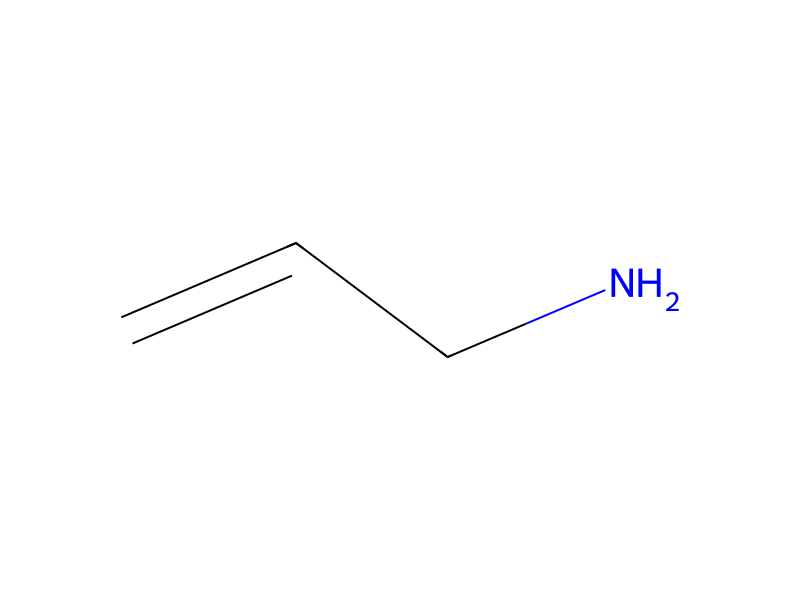
The procedure described in Example 2 is repeated except that 110 g (1.13 mols) of N-isopropylidene-propenylamine [prepared by reacting acetone with allylamine, cf. B. A. Kazanskii et al., Zhurnal Organicheskoi Khimii, Volume 6, No. 11, 2197-9 (1970)] and 108 g (2 mols) of 1,3-butadiene are used. Distillation yields 187.0 g (0.91 mol) of 3,12,12-trimethyl-1-aza-1,5,9-cyclododecatriene; yield 80.5% of theory, based on converted N-isopropylidene-propenylamine (conversion 100%); boiling point 55° C./0.03 mm Hg; nD20 =1.4895.
Workup
- customprepared
- distillationDistillation
Sources & evidence
- ORD record
- ord-5e5992742cbb44b9bf19eafbb5571927
- Source dataset
- uspto-grants-1980_07
- Patent number
- US04213901
Reaction notes
Loading…