Hydrochloric Acid → HCID 20528482, compound
Reaction equation

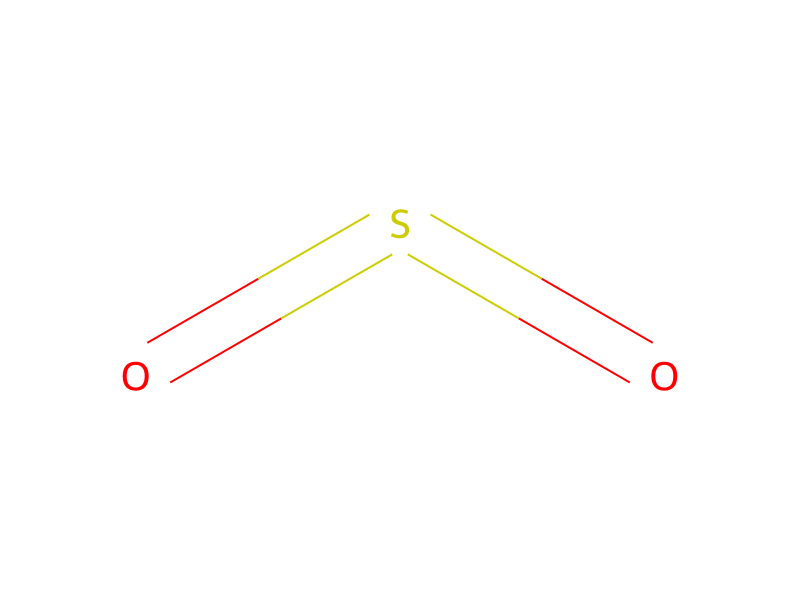
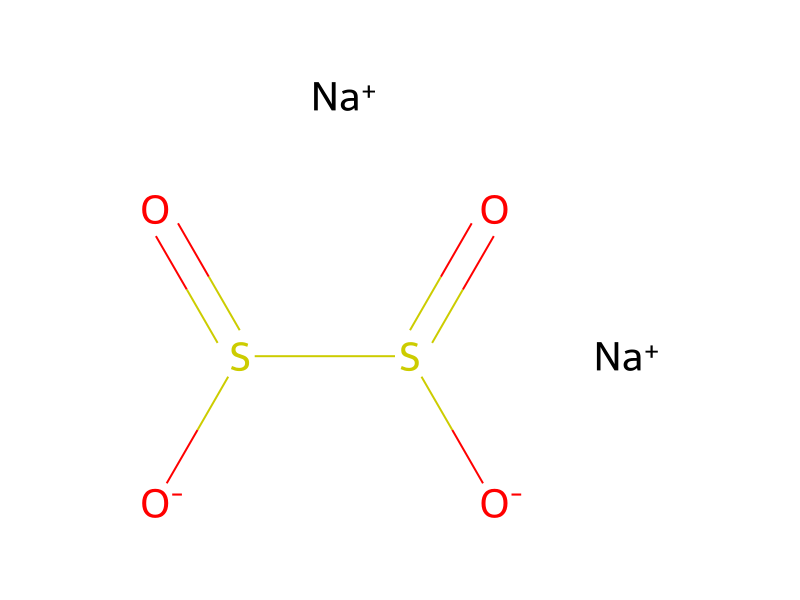
[NH2:1][CH:2]([CH3:16])[CH:3]([N+:13]([O-])=O)[CH2:4][C:5]([C:7]1[CH:12]=[CH:11][CH:10]=[CH:9][CH:8]=1)=[O:6].S(S([O-])=O)([O-])=O.[Na+].[Na+].Cl.S(=O)=O>O1CCOCC1.O>[NH2:13][CH:3]([CH:2]([NH2:1])[CH3:16])[CH2:4][C:5]([C:7]1[CH:12]=[CH:11][CH:10]=[CH:9][CH:8]=1)=[O:6]Participants
Reactant 4


Product 1

Reagents, catalysts & solvents 2


Procedure
A suspension of 3.9 g of 4-amino-3-nitro-valerophenone in 35 ml of dioxane and 9 ml of water is heated to the reflux temperature and the resulting solution is treated, in the course of 10 minutes, while boiling, with 14 g of sodium dithionite in 60 ml of water. The reaction mixture is boiled under reflux for a further 15 minutes and 6 N hydrochloric acid is then added dropwise until the pH is 3, a little sulphur dioxide escaping. The pH value is adjusted to 2, the mixture is allowed to react for a few minutes and the organic solvent is then removed under reduced pressure. The residual aqueous suspension is rendered alkaline in the cold and extracted with 5 50 ml portions of chloroform. The combined organic extracts are washed twice with water, dried and filtered and the filtrate is evaporated. 3,4-Diamino-valerophenone is obtained in the form of brown crystals; melting point 106°-107°.
Workup
- temperatureis heated to the reflux temperature
- additionthe resulting solution is treated, in the course of 10 minutes
- temperatureunder reflux for a further 15 minutes
- customto react for a few minutes
- customthe organic solvent is then removed under reduced pressure
- extractionextracted with 5 50 ml portions of chloroform
- washThe combined organic extracts are washed twice with water
- customdried
- filtrationfiltered
- customthe filtrate is evaporated
Sources & evidence
- ORD record
- ord-deb4055fbff5417096e785167fe52933
- Source dataset
- uspto-grants-1980_07
- Patent number
- US04213993
Reaction notes
Loading…