Hydrochloric Acid → HCID 59850164, compound
Reaction equation

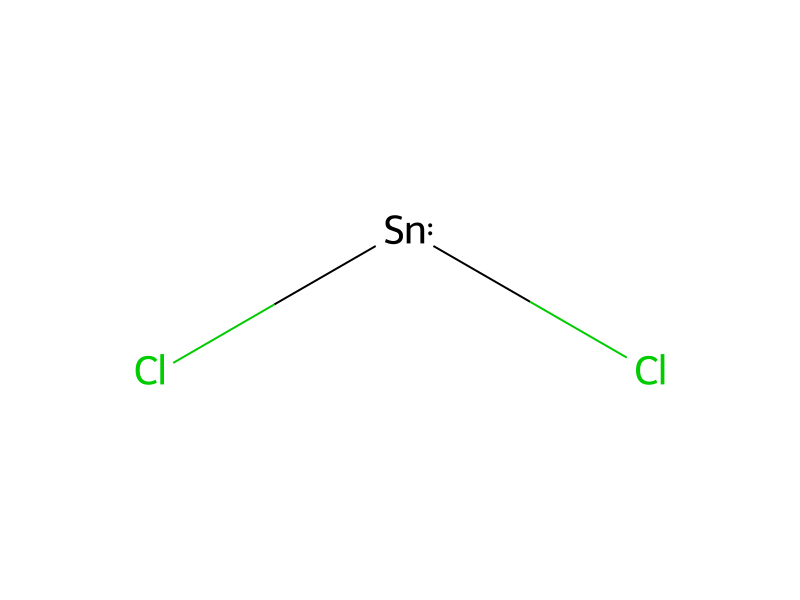
[CH:1]1([C:4]2[C:5]([F:26])=[CH:6][C:7]([N+:23]([O-])=O)=[C:8]([NH:10][CH:11]3[CH2:16][CH2:15][N:14]([CH:17]4[CH2:22][CH2:21][O:20][CH2:19][CH2:18]4)[CH2:13][CH2:12]3)[CH:9]=2)[CH2:3][CH2:2]1.[Sn](Cl)Cl.Cl>C(O)C>[CH:1]1([C:4]2[CH:9]=[C:8]([NH:10][CH:11]3[CH2:12][CH2:13][N:14]([CH:17]4[CH2:18][CH2:19][O:20][CH2:21][CH2:22]4)[CH2:15][CH2:16]3)[C:7]([NH2:23])=[CH:6][C:5]=2[F:26])[CH2:2][CH2:3]1Participants
5
Reactant 3


Product 1

Reagents, catalysts & solvents 1

Procedure
A stirred mixture of N-(5-cyclopropyl-4-fluoro-2-nitrophenyl)-1-(tetrahydro-2H-pyran-4-yl)-4-piperidinamine (D81, 0.38 g, 1.05 mmol), tin (II) chloride (0.8 mg, 4.20 mmol) and conc. HCl acid (˜0.9 ml) in abs ethanol (30 ml) was heated at gentle reflux temperature for 18 hrs. After cooling, the majority of solvent was removed by concentration under reduced pressure and the residue treated with dilute K2CO3 solution (50 ml) and extracted with ethyl acetate, filtering the mixture to remove tin residues. The separated organic phase was dried (MgSO4) and concentrated to dryness under vacuum to afford the title compound as a pale brown oil (340 mg, 97%).
Workup
- temperaturewas heated at gentle reflux temperature for 18 hrs
- temperatureAfter cooling
- customthe majority of solvent was removed by concentration under reduced pressure
- additionthe residue treated with dilute K2CO3 solution (50 ml)
- extractionextracted with ethyl acetate
- filtrationfiltering the mixture
- customto remove tin residues
- dry with materialThe separated organic phase was dried (MgSO4)
- concentrationconcentrated to dryness under vacuum
Sources & evidence
- ORD record
- ord-ff3b20d8697e4a93aa63e8dd3dae8836
- Source dataset
- uspto-grants-2012_10
- Patent number
- US08288412B2
Reaction notes
Loading…