Sodium Hydroxide → 1-(1-Methylpyrrolidin-2-ylidene)-3-(p-nitrophenyl)urea
Reaction equation

Cl.[CH3:2][N:3]1[CH2:7][CH2:6][CH2:5][C:4]1=[NH:8].[OH-].[Na+].[N+:11]([C:14]1[CH:19]=[CH:18][C:17]([N:20]=[C:21]=[O:22])=[CH:16][CH:15]=1)([O-:13])=[O:12].[N-]=C=O>C1C=CC=CC=1.O>[CH3:2][N:3]1[CH2:7][CH2:6][CH2:5][C:4]1=[N:8][C:21]([NH:20][C:17]1[CH:16]=[CH:15][C:14]([N+:11]([O-:13])=[O:12])=[CH:19][CH:18]=1)=[O:22]Participants
Reactant 4

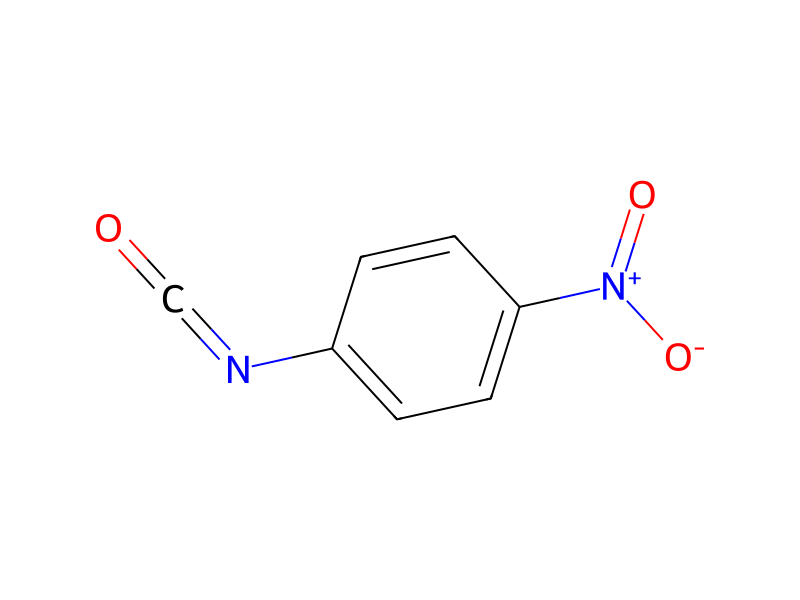
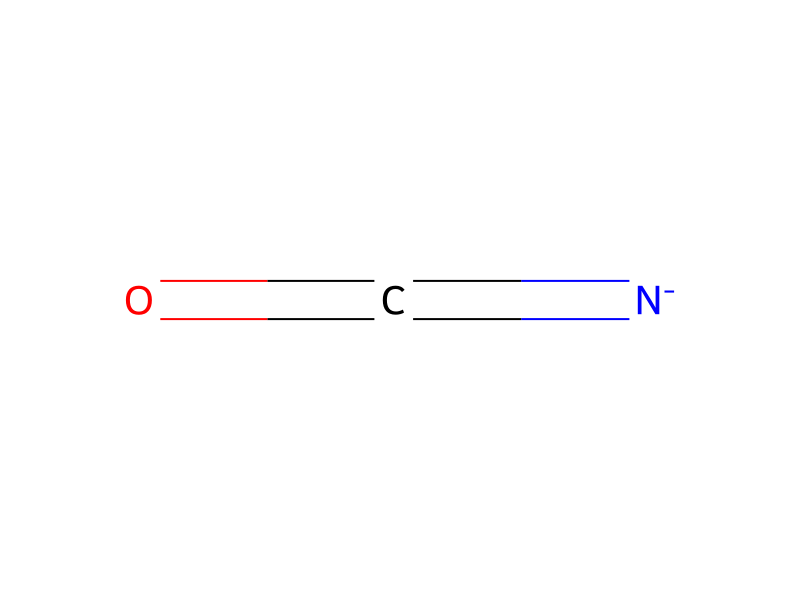

Product 1

Reagents, catalysts & solvents 2


Procedure
To a suspension of 6.73 g. (0.05 mole) of 1-methyl-2-iminopyrrolidine hydrochloride in 100 ml. of benzene is added 2 ml. of water followed by 5 ml. of 50% NaOH. After stirring for 5 min., the benzene layer is decanted onto excess anhydrous potassium carbonate. The process is repeated twice with 75 ml. portions of fresh benzene. The combined extracts are filtered rapidly from drying agent (dicalite pad and suction). To the filtrate is added in one portion with stirring 8.21 g. (0.05 mole) of p-nitrophenylisocyanate as a solution in benzene (the isocyanate solution is filtered prior to use). After stirring one hour, the solid, 1-(1-methyl-2-pyrrolidylidene)-3-p-nitrophenylurea, is collected and dried, m.p. = 180°-182° C. Recrystallization from acetone-methanol gives pure product, m.p. = 182°-183° C.
Workup
- additionTo a suspension of 6.73 g
- customthe benzene layer is decanted onto excess anhydrous potassium carbonate
- filtrationThe combined extracts are filtered rapidly
- dry with materialfrom drying agent (dicalite pad and suction)
- additionTo the filtrate is added in one portion
- stirringwith stirring 8.21 g
- stirringAfter stirring one hour
- customthe solid, 1-(1-methyl-2-pyrrolidylidene)-3-p-nitrophenylurea, is collected
- customdried
- customRecrystallization from acetone-methanol
- customgives pure product, m.p. = 182°-183° C.
Sources & evidence
- ORD record
- ord-deed00d637dc4166b38f8ea4a7994f7f
- Source dataset
- uspto-grants-1977_09
- Patent number
- US04046909
Reaction notes
Loading…