Carbon Dioxide → Calcium Carbonate
Reaction equation

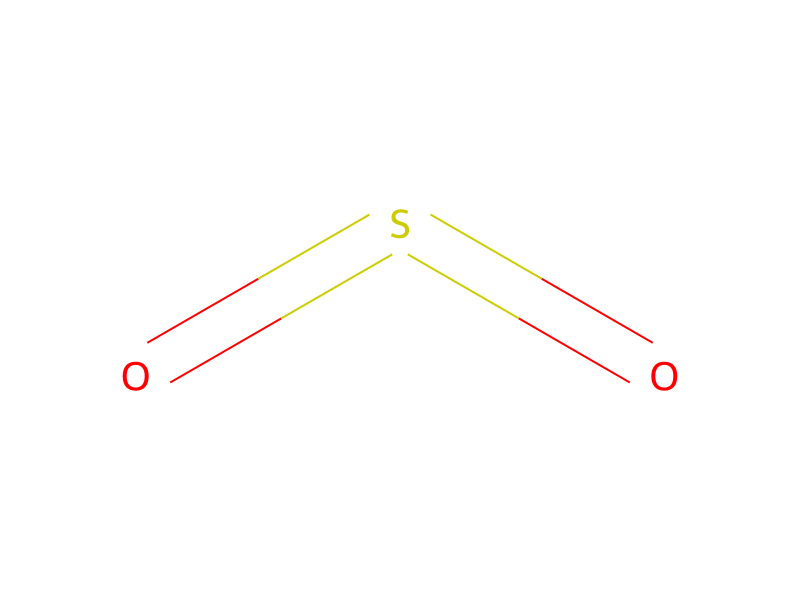
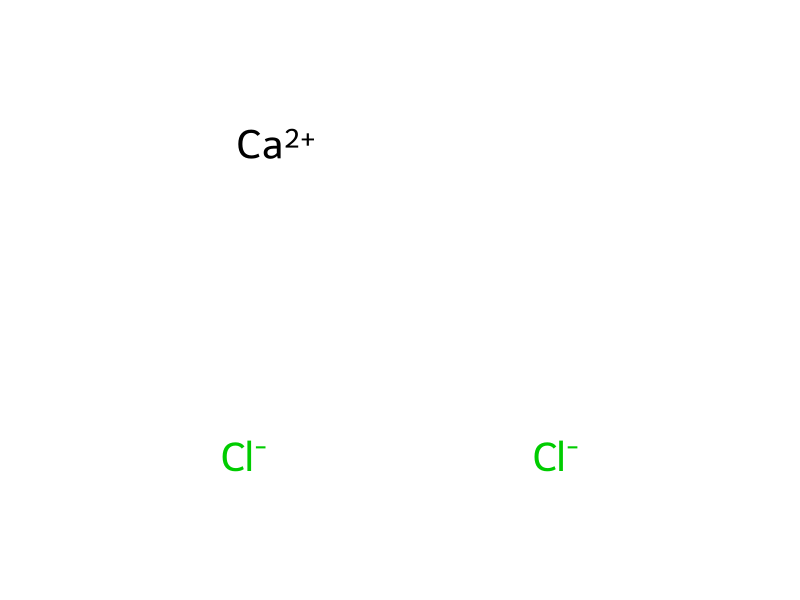
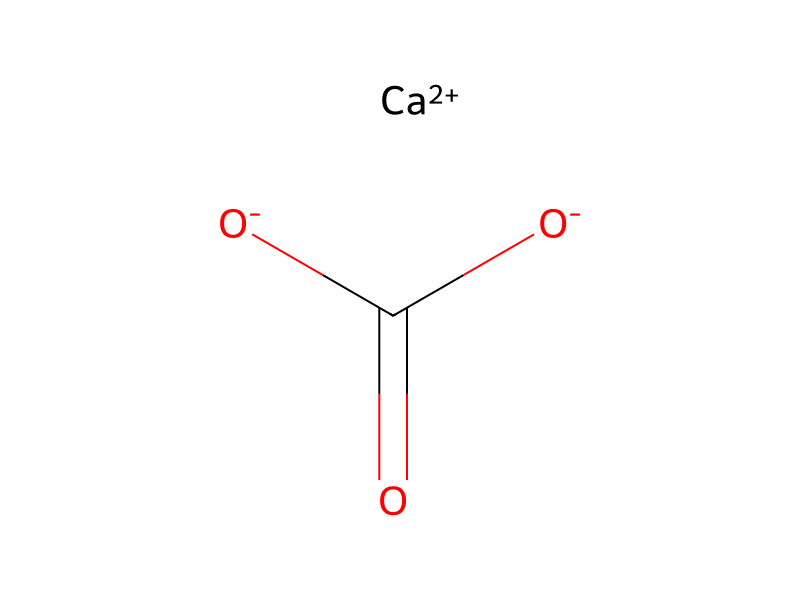
[Cl-].[Na+].[Cl-].[Ca+2:4].[Cl-].[OH-:6].[Na+].[S:8](=[O:10])=[O:9].[O:11]=O.[C:13](=[O:15])=[O:14]>[Cl-].[Na+].O.O>[S:8]([O-:11])([O-:6])(=[O:10])=[O:9].[Ca+2:4].[C:13](=[O:6])([O-:15])[O-:14].[Ca+2:4]Participants
Reactant 6




Product 2

Reagents, catalysts & solvents 2


Procedure
Over a bed of fluidized sand in a fluidized bed incinerator was continuously sprayed a waste brine stream containing as the principal inorganic component, sodium chloride and in addition a few percent calcium chloride and sodium hydroxide. The bed was fluidized with gases containing sulfur dioxide, oxygen, water, and carbon dioxide, so that calcium sulfate and calcium carbonate were formed in the bed and dispersed therethroughout upon reaction of the sulfur dioxide, water, oxygen, sodium hydroxide, carbon dioxide, and calcium chloride. After operation for a sufficient time so that substantially all of the sand had been removed from the bed, the incinerator was shut down. The bed, containing at least 80 percent sodium chloride and a total of a few percent dispersed calcium sulfate and calcium carbonate, was allowed to cool to ambient temperatures. The bed was refluidized and maintained for several hours at about 600° C without caking. No salt was observed adhering to the walls, as did occur in Comparison 3.
Sources & evidence
- ORD record
- ord-8dd61db109584aba9f45a98b2af92eda
- Source dataset
- uspto-grants-1977_09
- Patent number
- US04048288
Reaction notes
Loading…