Chloroacetonitrile → HCID 178510740, compound
Reaction equation

[N:1]1[C:10]2[C:5](=[CH:6][CH:7]=[C:8]3[NH:17][C:16]4[CH:15]=[CH:14][CH:13]=[CH:12][C:11]=4[C:9]3=2)[N:4]=[CH:3][CH:2]=1.[H-].[Na+].[H][H].Cl[CH2:23][C:24]#[N:25]>CS(C)=O.O>[C:24]([CH2:23][C:7]1[CH:6]=[C:5]2[C:10](=[C:9]3[C:11]4[CH:12]=[CH:13][CH:14]=[CH:15][C:16]=4[NH:17][C:8]=13)[N:1]=[CH:2][CH:3]=[N:4]2)#[N:25]Participants
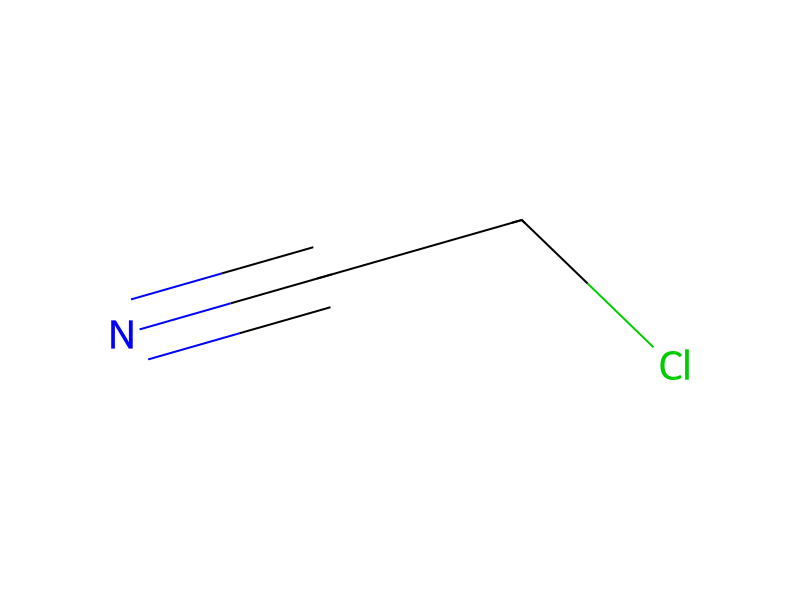






Conditions
- Temperature
- 35 °C
Procedure
Indoloquinoxaline (10.95 g) is dissolved in dry dimethyl sulfoxide (150 ml) under nitrogens and sodium hydride (1.3 g) is added with good stirring at 35° C. After completion of hydrogen gas generation (about 30 minutes), chloroacetonitrile (4.0 g) is dropped in with stirring at 20° C. After 1 day at this temperature water (20 ml) is added and crystals formed of pure 6-cyanomethylindoloquinoxaline (8.9 g) are sucked and washed with methanol followed by water. The mother liquor is poured into a large amount of water and the formed precipitate is dried and purified by chromatography on silica gel with methylene chloride/methanol as eluent. In this manner further 3.0 g of 6-cyanomethyl-6H-indolo(2,3-b)quinoxaline are obtained. The total yield thus is 11.9 g, 92%, mp. 231°-232° C.
Workup
- stirringwith stirring at 20° C
Sources & evidence
- ORD record
- ord-251a1f9dd6144b179ae7c73572182c28
- Source dataset
- uspto-grants-1990_04
- Patent number
- US04916124
Reaction notes
Loading…