Sodium Azide → HCID 178420709, compound
Reaction equation

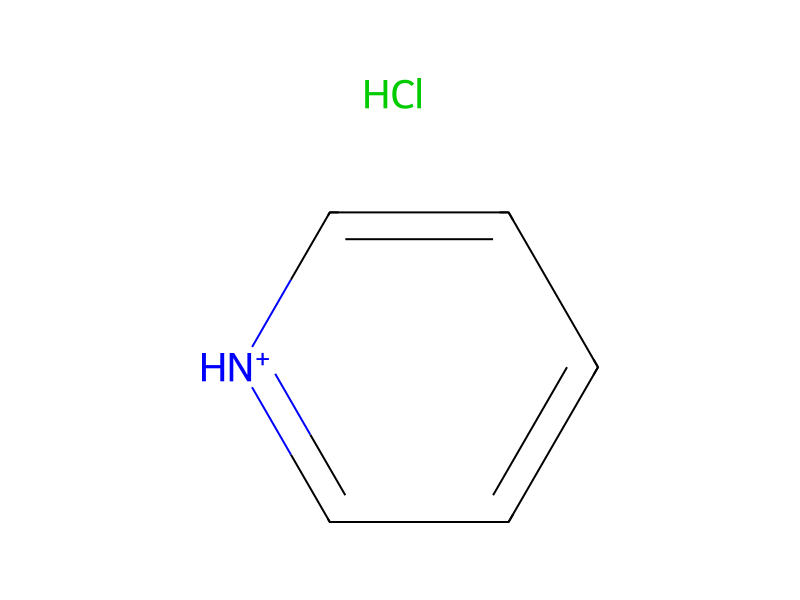
[N:1]1[C:10]2[C:5](=[CH:6][CH:7]=[CH:8][CH:9]=2)[CH:4]=[CH:3][C:2]=1[CH2:11][O:12][C:13]1[CH:14]=[C:15]([CH:26]=[CH:27][CH:28]=1)[O:16][CH2:17][C:18]1[CH:25]=[CH:24][C:21]([C:22]#[N:23])=[CH:20][CH:19]=1.[N-:29]=[N+:30]=[N-:31].[Na+].Cl.[NH+]1C=CC=CC=1>CN(C=O)C>[N:1]1[C:10]2[C:5](=[CH:6][CH:7]=[CH:8][CH:9]=2)[CH:4]=[CH:3][C:2]=1[CH2:11][O:12][C:13]1[CH:14]=[C:15]([CH:26]=[CH:27][CH:28]=1)[O:16][CH2:17][C:18]1[CH:19]=[CH:20][C:21]([C:22]2[NH:31][N:30]=[N:29][N:23]=2)=[CH:24][CH:25]=1Participants
5
Reactant 3


Product 1

Reagents, catalysts & solvents 1

Procedure
A slurry of 2.0 g (5.48 mmol) of 4-(3-(2-quinolinylmethyloxy)phenoxymethyl)benzonitrile, 1.78 g (27.4 mmol) of sodium azide, and 3.16 g (27.4 mmol) of pyridinium hydrochloride in 12 ml of dry DMF is stirred under nitrogen at 100° C. for 20 hrs. The reaction mixture is then cooled to room temperature and concentrated. The residue is taken up on 100 ml of 1N aqueous NaOH and the solution extracted with ether. The aqueous layer is acidified to pH 6 with 1N aqueous HCl, and the solid which precipitates collected, triturated with water, filtered and lyopholized to obtain 5-(4-(3-(2-quinolinylmethyloxy)phenoxymethyl)phenyl)tetrazole. (M.P. 91° C. dec.)
Workup
- concentrationconcentrated
- extractionthe solution extracted with ether
- customthe solid which precipitates
- customcollected
- customtriturated with water
- filtrationfiltered
Sources & evidence
- ORD record
- ord-448e76b0093044de9757bea19e816f1a
- Source dataset
- uspto-grants-1990_04
- Patent number
- US04920132
Reaction notes
Loading…