Thiamine Hydrochloride → L-Glutamic Acid
Reaction equation

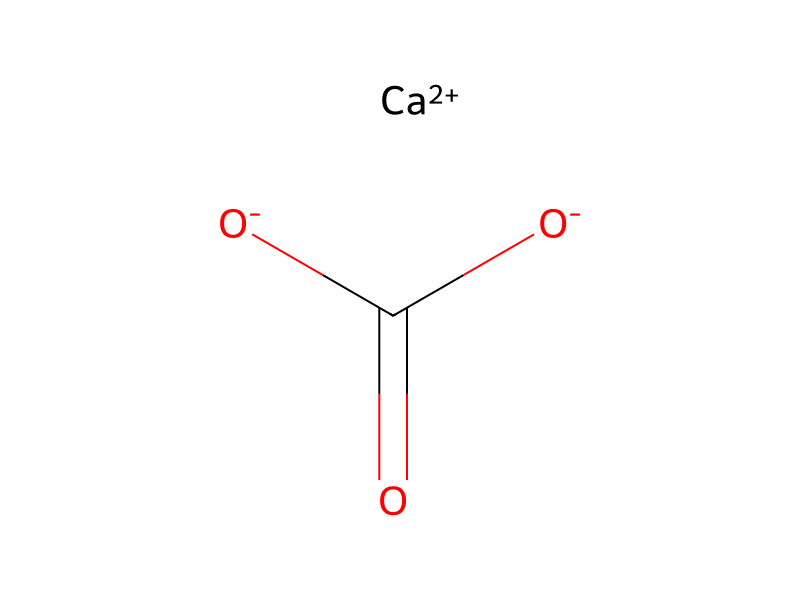
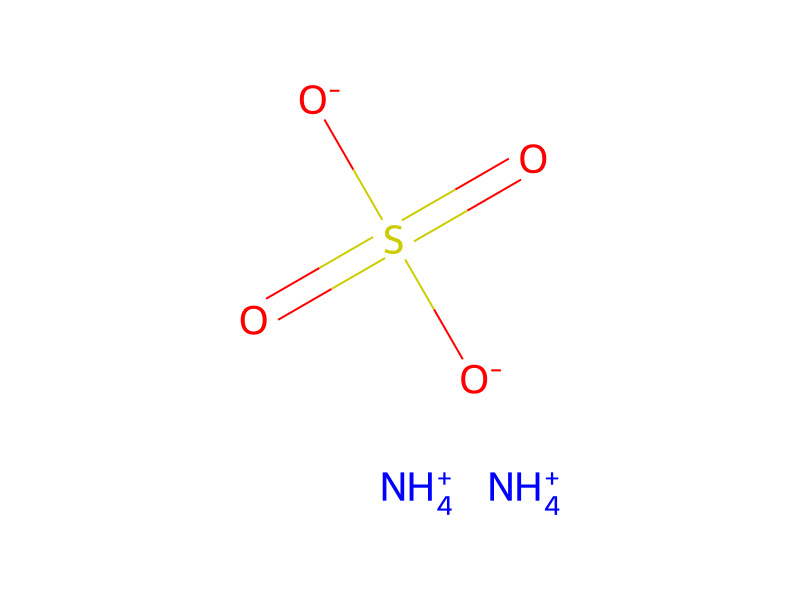
[OH:1][C:2]([CH2:4][CH2:5][CH2:6]C[C@H]1[C@@H]2[C@@H](NC(N2)=O)CS1)=[O:3].O=C[C@@H]([C@H]([C@@H]([C@@H](CO)O)O)O)O.S([O-])([O-])(=O)=O.[NH4+].[NH4+].OP([O-])(O)=O.[K+].CC1[N+:47](CC2C=NC(C)=NC=2N)=CSC=1CCO.Cl.[Cl-].[OH-].[K+].[C:64](=[O:67])([O-:66])[O-].[Ca+2]>[O-]S([O-])(=O)=O.[Mn+2]>[NH2:47][C@H:4]([C:2]([OH:1])=[O:3])[CH2:5][CH2:6][C:64]([OH:66])=[O:67]Participants
Reactant 7





Product 1

Reagents, catalysts & solvents 1

Procedure
The thus obtained odhA gene-disrupted strain is isolated in a medium containing sugar. In the process of isolation, a spontaneous mutation is introduced into the chromosomal yggB gene at a high frequency. Then, the ability of the isolated strain to produce L-glutamic acid is evaluated by culturing the strain in a medium containing excess biotin. For example, a candidate strain is inoculated in 20 ml of culture medium (30 g/l glucose, 15 g/l ammonium sulfate, 1 g/l KH2PO4, 0.4 g/l MgSO4.7H2O, 0.01 g/l FeSO4.7H2O, 0.01 g/l MnSO4.4-5H2O, 200 μg/l vitamin B1, 300 μg/l biotin, 0.48 g/l soybean hydrolysates (total nitrogen), adjusted to pH 8.0 with KOH: autoclaved at 115° C. for 10 minutes), followed by addition of 1 g of heat-sterilized calcium carbonate, and the strain is cultured with shaking. After the sugar is completely consumed, the amount of accumulated L-glutamic acid is measured. Strains which produce L-glutamic acid, for example, those which produce not less than 50% (yield per sugar) of L-glutamic acid are selected, and the nucleotide sequence of the yggB gene of the selected strains are determined to obtain a strain in which a mutation is introduced into the yggB gene.
Workup
- customAfter the sugar is completely consumed
Sources & evidence
- ORD record
- ord-8478266df02142f09e688f1d70b86d21
- Source dataset
- uspto-grants-2011_04
- Patent number
- US07927844B2
Reaction notes
Loading…