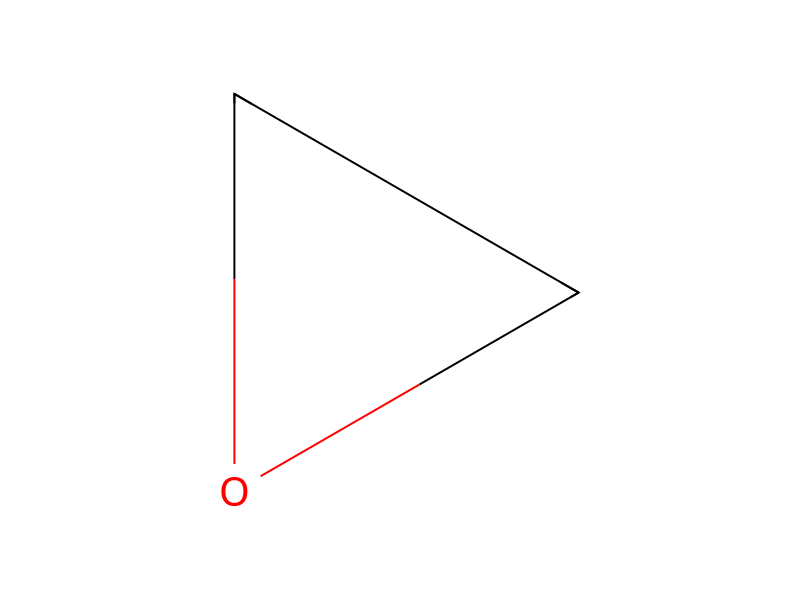
Ethylene Oxide → HCID 88800234, compound
Reaction equation

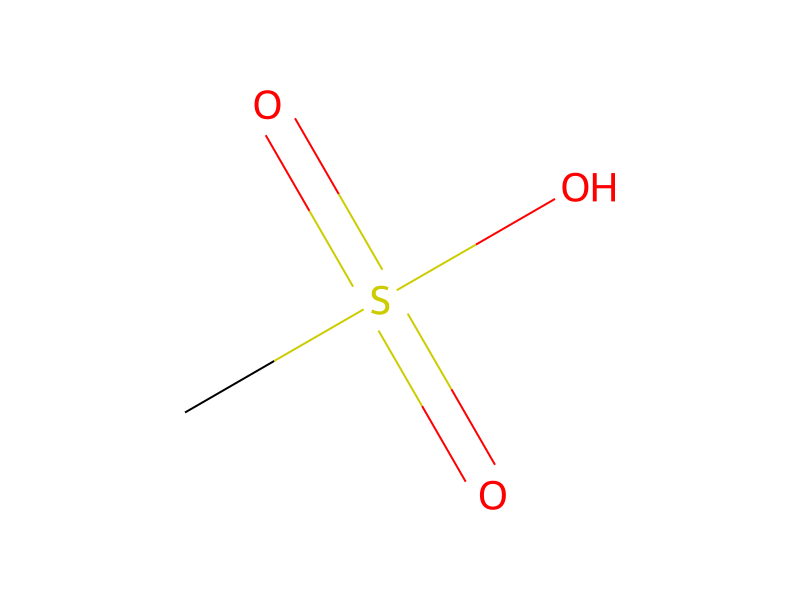
[Cl:1][C:2]1[CH:15]=[CH:14][C:13]2[O:12][C:11]3[C:6](=[CH:7][CH:8]=[CH:9][CH:10]=3)[C:5](=[C:16]3[CH2:21][CH2:20][NH:19][CH2:18][CH2:17]3)[C:4]=2[CH:3]=1.[CH2:22]1[O:24][CH2:23]1.[CH3:25][S:26]([OH:29])(=[O:28])=[O:27]>CO>[CH3:25][S:26]([OH:29])(=[O:28])=[O:27].[Cl:1][C:2]1[CH:15]=[CH:14][C:13]2[O:12][C:11]3[C:6](=[CH:7][CH:8]=[CH:9][CH:10]=3)[C:5](=[C:16]3[CH2:21][CH2:20][N:19]([CH2:22][CH2:23][OH:24])[CH2:18][CH2:17]3)[C:4]=2[CH:3]=1Participants
5
Reactant 3

Product 1

Reagents, catalysts & solvents 1

Conditions
- Temperature
- 40 °C
Procedure
A solution of 4-(2-chloro-9-xanthenylidene)piperidine (1.5 g., 5 mmol) in 50 ml. of methanol at 0° C. is treated with ethylene oxide (5 ml.). The solution is allowed to come to 23° C., then heated to 40° C. for one hour and the solvent evaporated. The residue is dissolved in acetonitrile and treated with one equivalent of methanesulfonic acid to give 4-(2-chloro-9-xanthenylidene)-1-(β-hydroxyethyl)-piperidine methanesulfonate, m.p. 242°-244° C.
Workup
- customto come to 23° C.
- customthe solvent evaporated
- dissolutionThe residue is dissolved in acetonitrile
Sources & evidence
- ORD record
- ord-3d17f9060d3943209678594d27188bed
- Source dataset
- uspto-grants-1978_04
- Patent number
- US04086350
Reaction notes
Loading…