Hydrazine hydrate (1:1) → 9-Fluorenylmethyl carbazate
Reaction equation

O.[NH2:2][NH2:3].[C:4](Cl)([O:6][CH2:7][CH:8]1[C:20]2[C:15](=[CH:16][CH:17]=[CH:18][CH:19]=2)[C:14]2[C:9]1=[CH:10][CH:11]=[CH:12][CH:13]=2)=[O:5]>CC#N.O.CC#N>[C:4]([O:6][CH2:7][CH:8]1[C:20]2[CH:19]=[CH:18][CH:17]=[CH:16][C:15]=2[C:14]2[C:9]1=[CH:10][CH:11]=[CH:12][CH:13]=2)(=[O:5])[NH:2][NH2:3]Participants
Reactant 2


Product 1

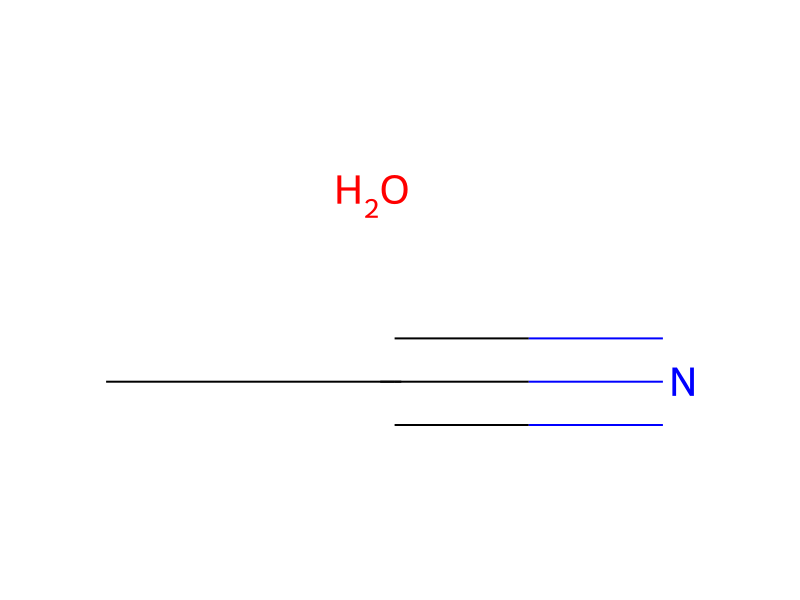
Reagents, catalysts & solvents 2

Procedure
To a well-stirred solution of hydrazine hydrate (19 g, 386 mmol) in 150 mL of CH3CN/H2O (1/1, v/v), a solution of FmocCl (10 g, 38.65 mmol) in 600 mL CH3CN was added dropwise at 0° C. over 2 h. The reaction mixture was then allowed to warm to room temperature and stirred for an additional 12 hours, concentrated in vacuo to 150 mL and filtered to yield the title compound as a white solid, which was washed with water and hexane and dried to a constant weight in vacuo (9.74 g, 99%): mp 172-173° C.; 1H NMR (DMSO) δ 4.08 (brs, 2H), 4.21 (t, J=7.2 Hz, 1H), 4.28 (d, J=7.2 Hz, 2H), 7.32 (t, J=7.4 Hz, 2H), 7.42 (t, J=7.4 Hz, 2H), 7.69 (d, J=7.4 Hz, 2H), 7.89 (d, J=7.4 Hz, 2H), 8.36 (brs, 1H); 13C NMR (DMSO) δ 47.7, 66.7, 121.1 (2C), 126.3 (2C), 128.1 (2C), 128.7 (2C), 141.7 (2C), 144.9 (2C), 159.2.
Workup
- concentrationconcentrated in vacuo to 150 mL
- filtrationfiltered
Sources & evidence
- ORD record
- ord-627e4efc836149ec8bda915fd614ca01
- Source dataset
- uspto-grants-2013_05
- Patent number
- US08435954B2
Reaction notes
Loading…