Acetonitrile → 2-Chloro-1-(3-fluoro-benzyloxy)-4-nitro-benzene
Reaction equation

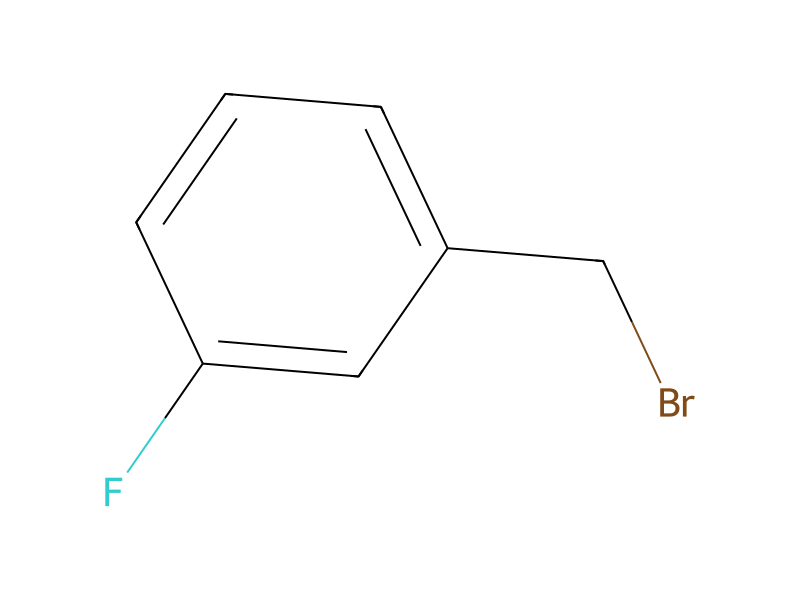
[Cl:1][C:2]1[CH:7]=[C:6]([N+:8]([O-:10])=[O:9])[CH:5]=[CH:4][C:3]=1[OH:11].[F:12][C:13]1[CH:14]=[C:15]([CH:18]=[CH:19][CH:20]=1)[CH2:16]Br.C(#N)C.C(=O)([O-])[O-].[K+].[K+]>O>[F:12][C:13]1[CH:14]=[C:15]([CH:18]=[CH:19][CH:20]=1)[CH2:16][O:11][C:3]1[CH:4]=[CH:5][C:6]([N+:8]([O-:10])=[O:9])=[CH:7][C:2]=1[Cl:1]Participants
6
Reactant 4



Product 1

Reagents, catalysts & solvents 1

Conditions
- Temperature
- 60 °C
Procedure
2-chloro-4-nitrophenol (9.02 g, 52 mmol)), 3-fluorobenzyl bromide (9.85 g, 52 mmol) and acetonitrile (90 mL) was combined at room temperature under nitrogen. Potassium carbonate (7.9 g, 57 mmol)) was added and the reaction mixture stirred at 60° C. for 2 hours and then cooled to room temperature. After cooling the reaction mixture was poured into water. The solids were collected by filtration and washed with diethyl ether to afford the desired product (13.98 g, 95% yield). [TLC system=1:1 EtOAc:Hexanes, Rf=0.76]
Workup
- customwas combined at room temperature under nitrogen
- temperaturecooled to room temperature
- temperatureAfter cooling the reaction mixture
- filtrationThe solids were collected by filtration
- washwashed with diethyl ether
Sources & evidence
- ORD record
- ord-01e0face01974130b62290932b8cbd2e
- Source dataset
- uspto-grants-2013_05
- Patent number
- US08444988B2
Reaction notes
Loading…