1,4-Dioxane → 5-(4-Pyridinyl)-1H-indole-2-carboxylic acid
Reaction equation

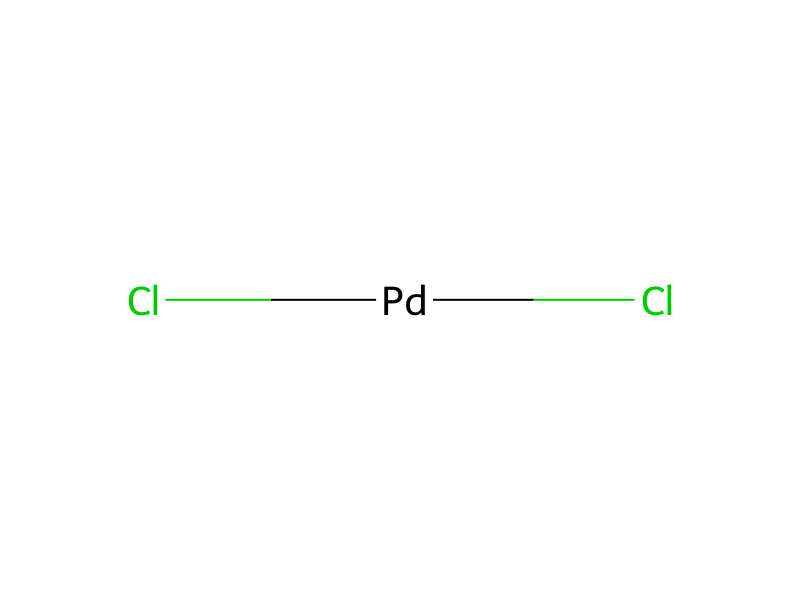
Br[C:2]1[CH:3]=[C:4]2[C:8](=[CH:9][CH:10]=1)[NH:7][C:6]([C:11]([OH:13])=[O:12])=[CH:5]2.[O-]P([O-])([O-])=O.[K+].[K+].[K+].[N:22]1[CH:27]=[CH:26][C:25](B(O)O)=[CH:24][CH:23]=1.O1CCOCC1>Cl[Pd]Cl.O>[N:22]1[CH:27]=[CH:26][C:25]([C:2]2[CH:3]=[C:4]3[C:8](=[CH:9][CH:10]=2)[NH:7][C:6]([C:11]([OH:13])=[O:12])=[CH:5]3)=[CH:24][CH:23]=1Participants
7
Reactant 4




Product 1

Reagents, catalysts & solvents 2

Procedure
A solution of 5-bromo-1H-indole-2-carboxylic acid (25 mg), PdCl2 HPNor2 (5 mg), K3PO4 (45 mg), 4-pyridylboronic acid (26 mg), dioxane (1 mL) and H2O (1 mL) was heated to 170° C. in a microwave for 2 h. The solution was passed thru a C18-SPE cartridge eluting with 3, 20, 60, and finally 95% CH3CN in H2O to yield the crude product. LCMS (m/z): 239.1 (M+H).
Workup
- washeluting with 3, 20, 60, and finally 95% CH3CN in H2O
Sources & evidence
- ORD record
- ord-5a183b0913714c8a8faaca6ba8c46aae
- Source dataset
- uspto-grants-2013_05
- Patent number
- US08450484B2
Reaction notes
Loading…