Acetonitrile → 3-(3-Bromophenyl)-3-hydroxypropanenitrile
Reaction equation

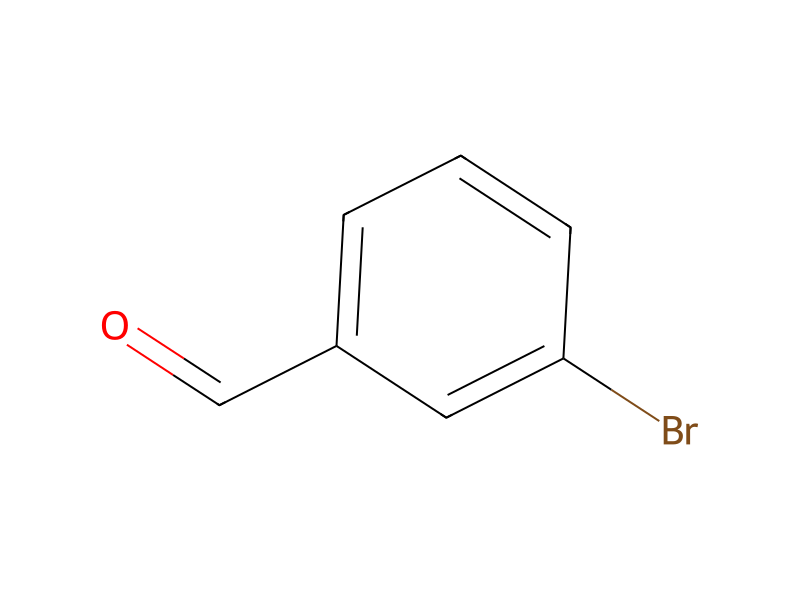
CC(C)([O-])C.[K+].[C:7](#[N:9])[CH3:8].[Br:10][C:11]1[CH:12]=[C:13]([CH:16]=[CH:17][CH:18]=1)[CH:14]=[O:15]>C1COCC1>[Br:10][C:11]1[CH:12]=[C:13]([CH:14]([OH:15])[CH2:8][C:7]#[N:9])[CH:16]=[CH:17][CH:18]=1Participants
Reactant 3


Product 1

Reagents, catalysts & solvents 1

Conditions
- Temperature
- -50 °C
Procedure
To a −50° C. solution of potassium t-butoxide (703 mL of a 1.0 M solution in THF, 703 mmol) was added acetonitrile (27.73 g, 675.6 mmol) via syringe over 5 min. The mixture was stirred at −50° C. for 30 min, then a solution of 3-bromobenzaldehyde (22) (100 g, 540.5 mmol) in THF (50 mL) was added over 5 min. The mixture was stirred for 30 min, then allowed to warm to 0° C. The reaction mixture was quenched with saturated aqueous NH4Cl (250 mL) and the layers were separated. The organics were washed with brine, dried over Na2SO4 and concentrated under reduced pressure to afford 3-(3-bromophenyl)-3-hydroxypropanenitrile (34) as a pale yellow oil. This material was used in the next synthetic step without further purification. Yield (117.6 g, 96%): 1H NMR (400 MHz, DMSO-d6) δ 7.60 (t, J=1.6 Hz, 1H), 7.46 (ddd, J=7.6, 2.0, 1.2 Hz, 1H), 7.40 (dd, J=7.6, 2.0 Hz, 1H), 7.31 (t, J=7.6 Hz, 1H), 6.05 (d, J=4.8 Hz, 1H), 2.80-2.94 (m, 2H).
Workup
- stirringThe mixture was stirred for 30 min
- temperatureto warm to 0° C
- customThe reaction mixture was quenched with saturated aqueous NH4Cl (250 mL)
- customthe layers were separated
- washThe organics were washed with brine
- dry with materialdried over Na2SO4
- concentrationconcentrated under reduced pressure
Sources & evidence
- ORD record
- ord-6bf09a43203948e9932a7f029638e16c
- Source dataset
- uspto-grants-2013_05
- Patent number
- US08450527B2
Reaction notes
Loading…