p-Toluenesulfonic acid → Calcium p-toluenesulphonate
Reaction equation

C(=O)([O-])[O-].[Ca+2:5].[C:6]1([CH3:16])[CH:11]=[CH:10][C:9]([S:12]([OH:15])(=[O:14])=[O:13])=[CH:8][CH:7]=1>>[C:6]1([CH3:16])[CH:7]=[CH:8][C:9]([S:12]([O-:15])(=[O:13])=[O:14])=[CH:10][CH:11]=1.[Ca+2:5].[C:6]1([CH3:16])[CH:7]=[CH:8][C:9]([S:12]([O-:15])(=[O:13])=[O:14])=[CH:10][CH:11]=1Participants

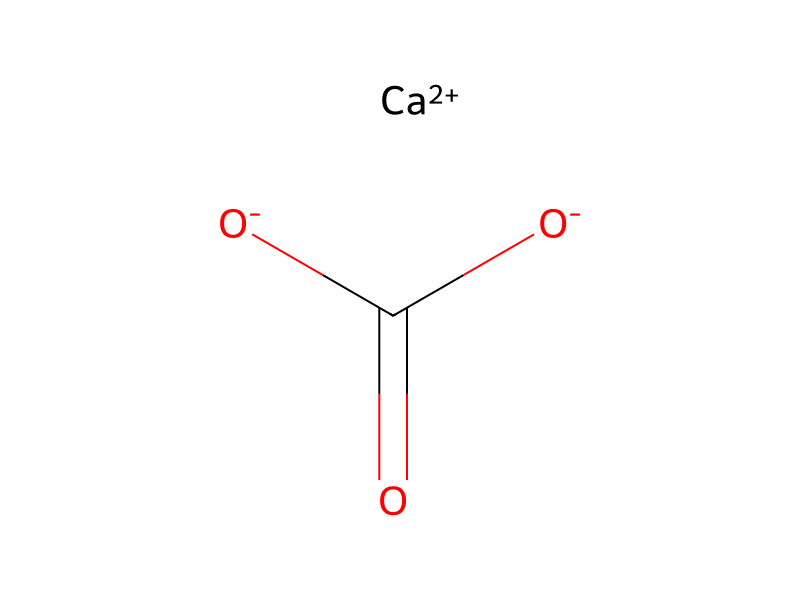

Procedure
240 ml of 0.01M p-toluenesulphonic acid was slowly added to 60 g of calcium carbonate (Polcarb 60S - English China Clay) and stirred for 1 hour so that only the surface of the calcium carbonate particles reacted with the p-toluenesulphonic acid and formed an insoluble coating of calcium p-toluenesulphonate. The solution was filtered at suction and 50 g of the solid was transferred to a 0.4M aniline solution (740 ml) and the solution was stirred for a further 1.5 hours after which p-toluenesulphonic acid (3M, 355 ml) was added slowly with continued vigorous stirring. Ammonium persulphate (1M, 300 ml) was then added over a 10 minute period. The reaction took approximately 15 minutes to go to completion when a dark green solution was produced The solution was filtered at suction, washed with 8 liters of deionised water and dried at 100° C. in vacuo (10-1 torr). The green powder (58.6 g) had a volume conductivity of 0.46±0.10 S cm-1.
Sources & evidence
- ORD record
- ord-fb8b17444d1a49feb8fd8f8046fe8bc9
- Source dataset
- uspto-grants-1990_06
- Patent number
- US04937060
Reaction notes
Loading…