Dibenzylamine → 2-chloropyridine-3-sulfonamide
Reaction equation

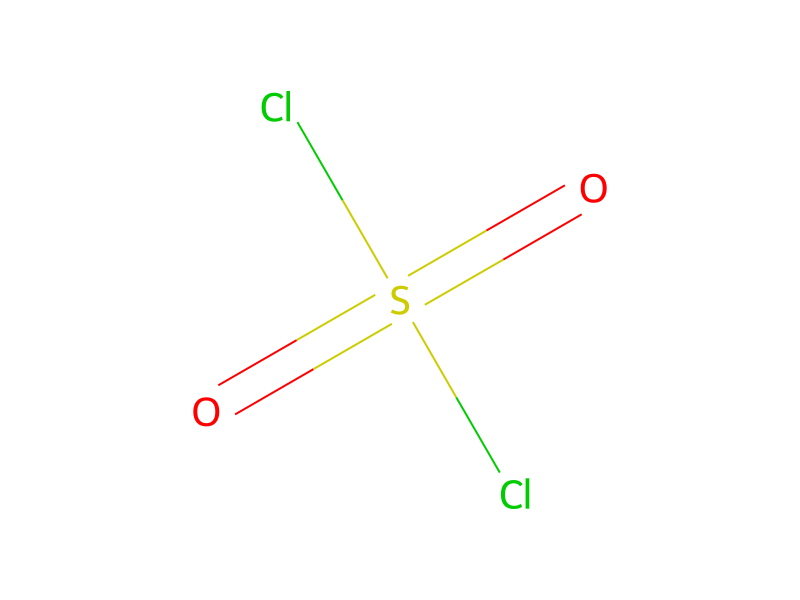
[Cl:1][C:2]1[C:7](N)=[CH:6][CH:5]=[CH:4][N:3]=1.ClC1([S:16](Cl)(=[O:18])=[O:17])C=CC=CN1.[N:20]([O-])=O.[Na+].S(Cl)(Cl)(=O)=O.C(NCC1C=CC=CC=1)C1C=CC=CC=1>>[Cl:1][C:2]1[C:7]([S:16]([NH2:20])(=[O:18])=[O:17])=[CH:6][CH:5]=[CH:4][N:3]=1Participants
6





Procedure
The synthesis of a 2-halopyridine sulfonamide intermediate is illustrated in Reaction Scheme L. The 2-chloro-3-aminopyridine is converted to the 2-chloropyridinesulfonyl chloride by reaction with sodium nitrite/acid and sulfuryl chloride. This compound is then allowed to react with dibenzylamine to provide the desired 2-chloropyridine 3-sulfonamide intermediate. This compound may then be carried on to a final product using the methods described in Reaction Schemes A and D.
Workup
- customis illustrated in Reaction Scheme L
Sources & evidence
- ORD record
- ord-44ebb87170a341cc8dc4910d1a478b69
- Source dataset
- uspto-grants-2009_04
- Patent number
- US07517878B2
Reaction notes
Loading…