Cyclopentanone → 3-Cyclopentylamino-2,2-dimethyl-propanoic acid methyl ester
Reaction equation

[CH3:1][O:2][C:3](=[O:9])[C:4]([CH3:8])([CH3:7])[CH2:5][NH2:6].[C:10]1(=O)[CH2:14][CH2:13][CH2:12][CH2:11]1.C([O-])(=O)C.[Na+].C(O[BH-](OC(=O)C)OC(=O)C)(=O)C.[Na+]>ClCCl>[CH3:1][O:2][C:3](=[O:9])[C:4]([CH3:8])([CH3:7])[CH2:5][NH:6][CH:10]1[CH2:14][CH2:13][CH2:12][CH2:11]1Participants
Reactant 4
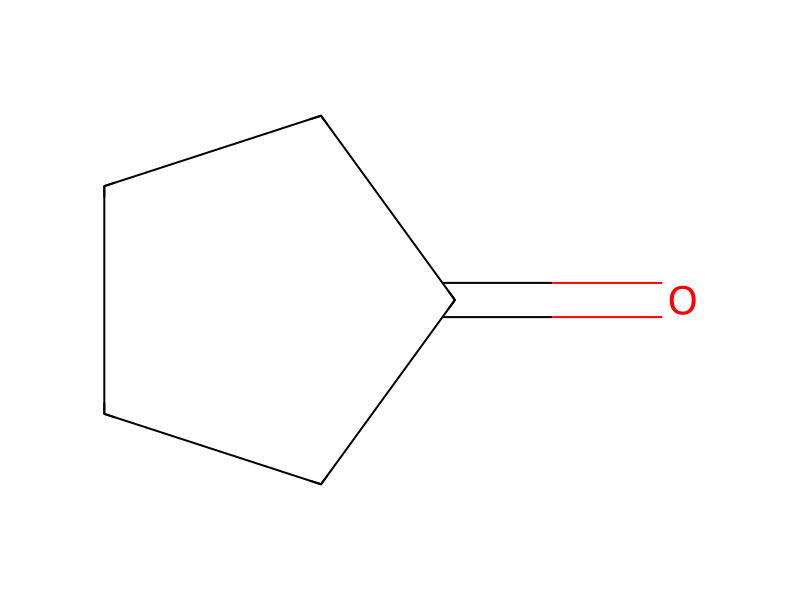



Product 1

Reagents, catalysts & solvents 1

Procedure
To a solution of 21.98 g (0.167 mole) of 3-amino-2,2-dimethyl-propanoic acid methyl ester (from method 6) in 500 mL of dichloromethane cooled to 0 degrees, was added 14.1 g (0.167 mole) of cyclopentanone, 16.0 g (0.181 mole) of sodium acetate and 52.0 g (0.025 mole) of sodium triacetoxyborohydride. The mixture stirred at room temp. for 22 hours, and then quenched by the addition of 500 mL of saturated sodium bicarbonate solution. The mixture was stirred for 1 hour and then extracted twice 400 mL of dichloromethane. The combined organic layers were dried over anhydrous sodium sulfate, filtered and concentrated under reduced pressure to give 31.8 g of 3-cyclopentylamino-2,2-dimethyl-propanoic acid methyl ester which was used without further purification.
Workup
- customquenched by the addition of 500 mL of saturated sodium bicarbonate solution
- stirringThe mixture was stirred for 1 hour
- extractionextracted twice 400 mL of dichloromethane
- dry with materialThe combined organic layers were dried over anhydrous sodium sulfate
- filtrationfiltered
- concentrationconcentrated under reduced pressure
Sources & evidence
- ORD record
- ord-2bf9a22d74014e8a8d07086cc1a588d1
- Source dataset
- uspto-grants-2009_04
- Patent number
- US07517873B2
Reaction notes
Loading…