Tetrapropylammonium → 1,3-dimethyl-1H-pyrazole-4-carbaldehyde
Reaction equation

[CH3:1][N:2]1[CH:6]=[C:5]([CH2:7][OH:8])[C:4]([CH3:9])=[N:3]1.C[N+]1([O-])CCOCC1.C([N+](CCC)(CCC)CCC)CC>>[CH3:1][N:2]1[CH:6]=[C:5]([CH:7]=[O:8])[C:4]([CH3:9])=[N:3]1Participants
4



Procedure
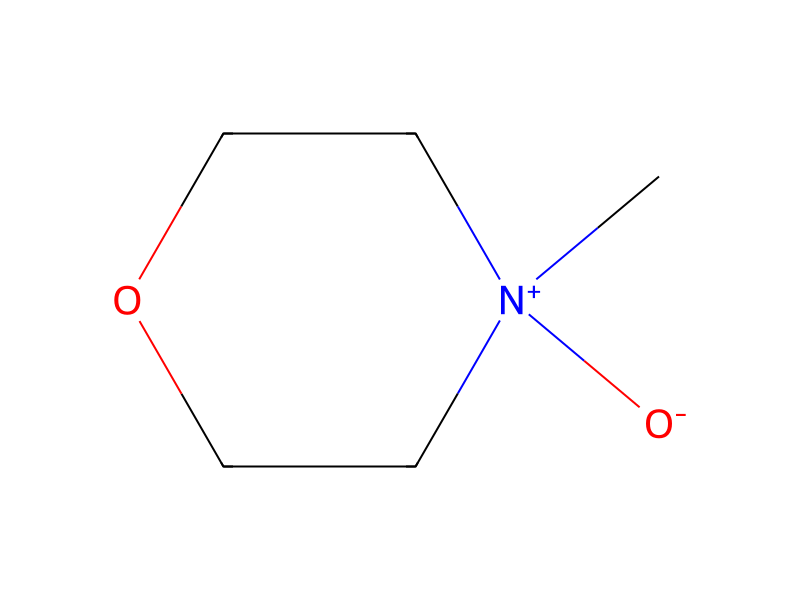
To a solution of 1,3-dimethyl-1H-pyrazol-4-methanol (0.33 g, 2.63 mmol), N-methyl morpholine N-oxide (0.37 g, 3.16 mmol), and crushed, dried, and activated 4 Å sieves (1.5 g) in anhydrous dichloromethane (20 ml), is added tetrapropyl ammonium peruthenate (0.09 g, 0.26 mmol). The reaction mixture is stirred for one hour at room temperature, then filtered through a silica gel plug and eluted with ethyl acetate. The filtrate is concentrated in vacuo to give 1,3-dimethyl-1H-pyrazole-4-carboxaldehyde (0.26 g, 81%) which is used without further purification. 1H NMR (CDCl3): δ=9.83 (1H, s), 7.78 (1H, s), 3.86 (3H, s), 2.46 (3H, s).
Workup
- customdried
- filtrationfiltered through a silica gel plug
- washeluted with ethyl acetate
- concentrationThe filtrate is concentrated in vacuo
Sources & evidence
- ORD record
- ord-1aed39ac6cba41d79fb645ea453960e9
- Source dataset
- uspto-grants-2009_04
- Patent number
- US07521462B2
Reaction notes
Loading…