Sodium Hydroxide → Lansoprazole
Reaction equation

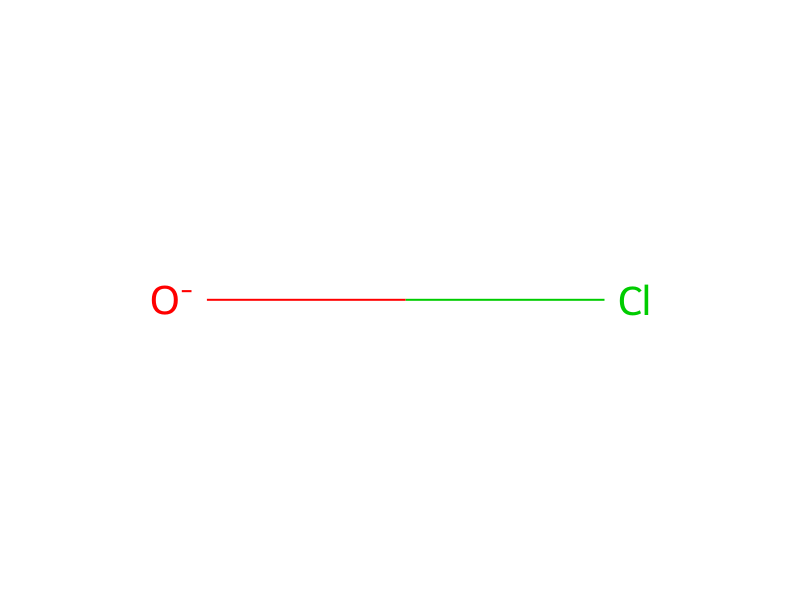
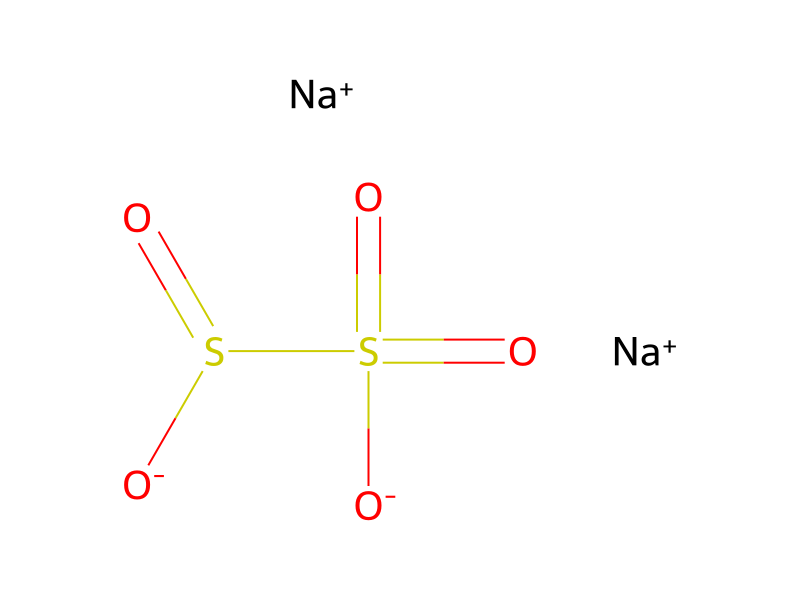
[CH3:1][C:2]1[C:3]([CH2:14][S:15][C:16]2[NH:20][C:19]3[CH:21]=[CH:22][CH:23]=[CH:24][C:18]=3[N:17]=2)=[N:4][CH:5]=[CH:6][C:7]=1[O:8][CH2:9][C:10]([F:13])([F:12])[F:11].[OH-].[Na+].Cl[O-].[Na+].Cl[O-].S(S([O-])=O)([O-])(=O)=[O:33].[Na+].[Na+]>C(O)(=O)C.CC(C)=O.O.C(#N)C>[CH3:1][C:2]1[C:3]([CH2:14][S:15]([C:16]2[NH:17][C:18]3[CH:24]=[CH:23][CH:22]=[CH:21][C:19]=3[N:20]=2)=[O:33])=[N:4][CH:5]=[CH:6][C:7]=1[O:8][CH2:9][C:10]([F:12])([F:11])[F:13]Participants
Reactant 5



Product 1

Reagents, catalysts & solvents 4




Procedure
(2-[[[3-methyl-4-(2,2,2-trifluoro-ethoxy)-2-pyridinyl]methyl]-thio]1H-benzimidazole (10 g) was suspended in 100 ml of a mixture of acetonitrile and water (7:3). A solution of sodium hydroxide was added to this suspension. 61 g of sodium hypochlorite solution (4.2%) was added over a period of 4 hours maintaining a temperature of 5° C.-10° C. Excess hypochlorite was decomposed using 3% aqueous sodium metabisulfite solution. Acetone (50 ml) was added and the pH was adjusted to between 7.5 to 8.5 using dilute acetic acid. The solids were filtered, washed with chilled water and dried in an oven to give 8 g of the title compound. The product was slurried in acetone followed by purification by dissolving in a mixture of acetone and aqueous sodium hydroxide solution. The pH of the clear solution was adjusted to about 7.0-8.0 using dilute acetic acid solution and the product was isolated by filtration, slurried in water and dried in an oven to give about 7 g of the desired product.
Workup
- temperaturemaintaining a temperature of 5° C.-10° C
- filtrationThe solids were filtered
- washwashed with chilled water
- customdried in an oven
Sources & evidence
- ORD record
- ord-f87b5fc15c3d4d25b49ff8adbc979eba
- Source dataset
- uspto-grants-2008_10
- Patent number
- US07439367B2
Reaction notes
Loading…