Ammonium Hydroxide → 5-Bromo-8-nitroisoquinoline
Reaction equation

[N+:1]([O-:4])([O-])=[O:2].[K+].[Br:6][C:7]1[CH:16]=[CH:15][CH:14]=[C:13]2[C:8]=1[CH:9]=[CH:10][N:11]=[CH:12]2.[OH-].[NH4+]>OS(O)(=O)=O>[Br:6][C:7]1[CH:16]=[CH:15][C:14]([N+:1]([O-:4])=[O:2])=[C:13]2[C:8]=1[CH:9]=[CH:10][N:11]=[CH:12]2Participants
5
Reactant 3

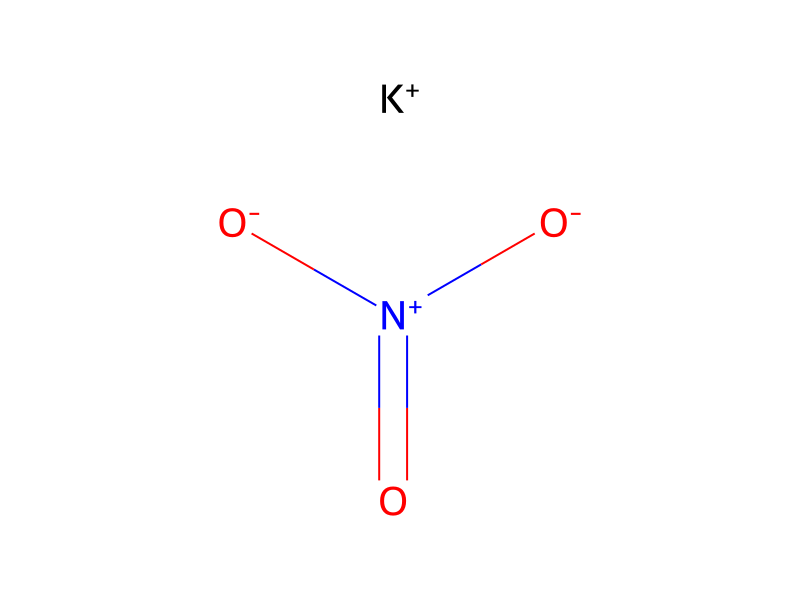

Product 1

Reagents, catalysts & solvents 1

Procedure
A solution of potassium nitrate (1.78 g, 8.56 mmol) was added slowly to a solution of 5-bromoisoquinoline in 12 mL H2SO4. After stirring for 3 hours the reaction mixture was poured onto ice and neutralised with conc. ammonium hydroxide. The yellow precipitate was extracted with ethyl acetate (3×), and the combined organic layers were washed with saturated NaCl, dried over MgSO4, filtered and concentrated. The residue was chromatographed on silica gel (40% ethyl acetate in hexane as eluent) to give 5-bromo-8-nitroisoquinoline in 96% yield.
Workup
- extractionThe yellow precipitate was extracted with ethyl acetate (3×)
- washthe combined organic layers were washed with saturated NaCl
- dry with materialdried over MgSO4
- filtrationfiltered
- concentrationconcentrated
- customThe residue was chromatographed on silica gel (40% ethyl acetate in hexane as eluent)
Sources & evidence
- ORD record
- ord-637bc4b292a3434eb691cfa2ee40aad8
- Source dataset
- uspto-grants-2004_02
- Patent number
- US06693111B1
Reaction notes
Loading…