Acetonitrile → HCID 59058540, compound
Reaction equation

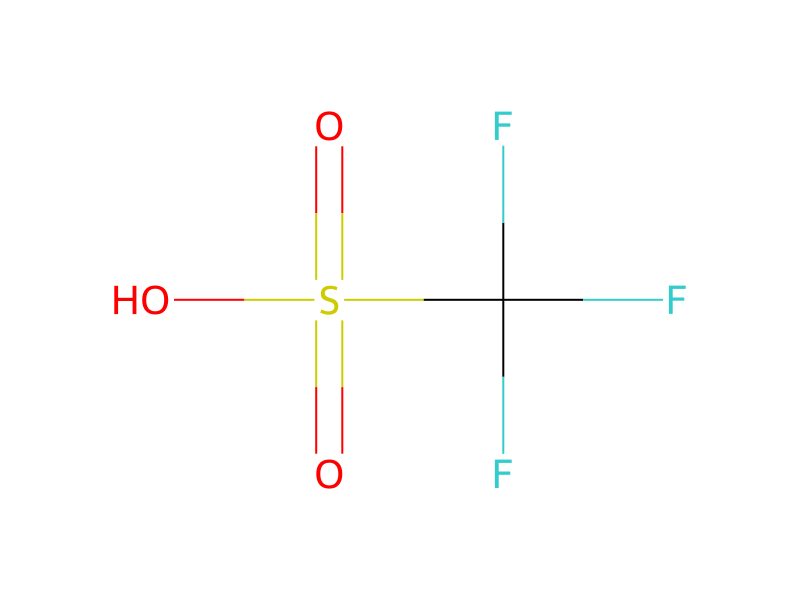
[C:1]1([C:7]2([C:19]3[CH:24]=[CH:23][CH:22]=[CH:21][CH:20]=3)[C@@H:11]([C:12]3[CH:17]=[CH:16][CH:15]=[CH:14][CH:13]=3)[O:10]S(=O)O2)[CH:6]=[CH:5][CH:4]=[CH:3][CH:2]=1.FC(F)(F)S(O)(=O)=O.[C:33](#[N:35])[CH3:34]>>[CH3:34][C:33]1[O:10][C@H:11]([C:12]2[CH:17]=[CH:16][CH:15]=[CH:14][CH:13]=2)[C:7]([C:19]2[CH:24]=[CH:23][CH:22]=[CH:21][CH:20]=2)([C:1]2[CH:6]=[CH:5][CH:4]=[CH:3][CH:2]=2)[N:35]=1Participants



Conditions
- Temperature
- 0 °C
Procedure
19 g (56.5 mmol) of (5R)-4,4,5-triphenyl-1,3,2-dioxathiolane 2-oxide in 90 ml of acetonitrile were introduced into a 250 ml three-necked flask fitted with magnetic stirrer, nitrogen/vacuum connection and 25 ml dropping funnel (with pressure equalization). After the mixture had been cooled to 0° C., 10 ml (113 mmol) of trifluoromethanesulfonic acid were added. The mixture was subsequently stirred at room temperature for a further sixteen hours. The solid by-product formed was filtered off with suction and rinsed with n-hexane, and the mother liquor was adjusted to a pH of 8 using sodium hydroxide solution (2.5 N) and finally freed from organic solvent in a rotary evaporator. After taking-up in dichloromethane, the product solution was dried over magnesium sulfate. After removal of the dichloromethane, the product was isolated in a yield of 64%.
Workup
- customfitted with magnetic stirrer
- customThe solid by-product formed
- filtrationwas filtered off with suction
- washrinsed with n-hexane
- customfinally freed from organic solvent in a rotary evaporator
- dry with materialthe product solution was dried over magnesium sulfate
- customAfter removal of the dichloromethane
- customthe product was isolated in a yield of 64%
Sources & evidence
- ORD record
- ord-ee7438dde63f469f90a57c498960f42a
- Source dataset
- uspto-grants-2004_02
- Patent number
- US06695977B2
Reaction notes
Loading…