Sodium Hydroxide → HCID 70609347, compound
Reaction equation

[C:1]1([C@H:7]2[CH2:12][CH2:11][NH:10][CH2:9][C@H:8]2[OH:13])[CH:6]=[CH:5][CH:4]=[CH:3][CH:2]=1.[OH-].[Na+].[CH:16]1([C:19](Cl)=[O:20])[CH2:18][CH2:17]1>C(Cl)Cl>[CH:16]1([C:19]([N:10]2[CH2:11][CH2:12][C@H:7]([C:1]3[CH:2]=[CH:3][CH:4]=[CH:5][CH:6]=3)[C@H:8]([OH:13])[CH2:9]2)=[O:20])[CH2:18][CH2:17]1Participants
5
Reactant 3

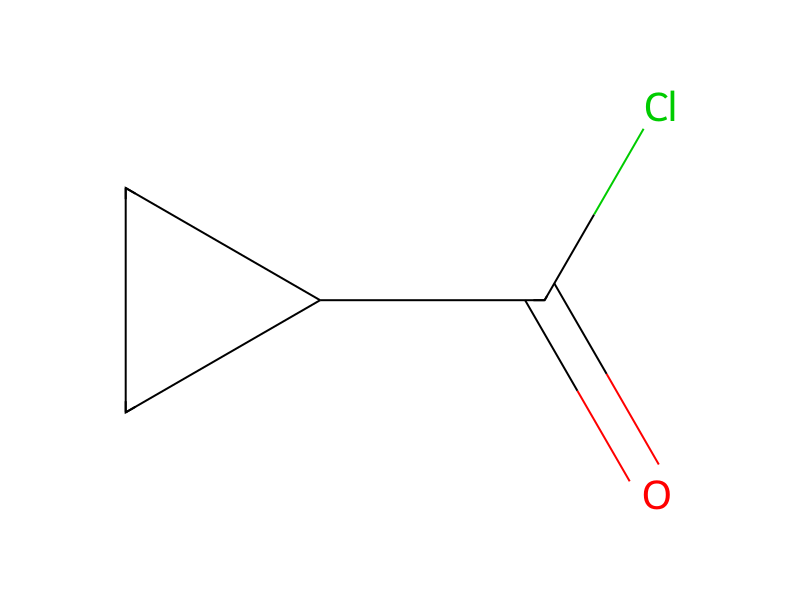

Product 1

Reagents, catalysts & solvents 1

Procedure
cis-4-Phenyl-3-piperidinol (9.0 g, 50.8 mmoles, described in Example 9) is dissolved in methylene chloride (200 ml) and a 30% solution of sodium hydroxide (100 ml) is added. Cyclopropanecarboxylic acid chloride (5.72 g, 55.0 mmoles) is added dropwise to the cooled solution (10° C.) and stirring is continued for 15 minutes. The organic phase is separated, washed with brine, dried (MgSO4) and evaporated. The residue is crystallized from ethyl acetate-ether to give cis-1-cyclopropylcarbonyl-4-phenyl-3-piperidinol, mp 175°-177° C.
Workup
- customThe organic phase is separated
- washwashed with brine
- dry with materialdried (MgSO4)
- customevaporated
- customThe residue is crystallized from ethyl acetate-ether
Sources & evidence
- ORD record
- ord-ae4f4085dcdc4a08a2b1af0e1b739939
- Source dataset
- uspto-grants-1979_01
- Patent number
- US04132710
Reaction notes
Loading…