Perchloric Acid → t-butyl octahydro-3-oxo-1H-isoindole-1-carboxylate
Reaction equation

[O:1]=[C:2]1[CH:10]2[CH:5]([CH2:6][CH2:7][CH2:8][CH2:9]2)[CH:4]([C:11]([OH:13])=[O:12])[NH:3]1.Cl(O)(=O)(=O)=O>C(OC(C)(C)C)(=O)C>[O:1]=[C:2]1[CH:10]2[CH:5]([CH2:6][CH2:7][CH2:8][CH2:9]2)[CH:4]([C:11]([O:13][C:5]([CH3:10])([CH3:6])[CH3:4])=[O:12])[NH:3]1Participants
4
Reactant 2
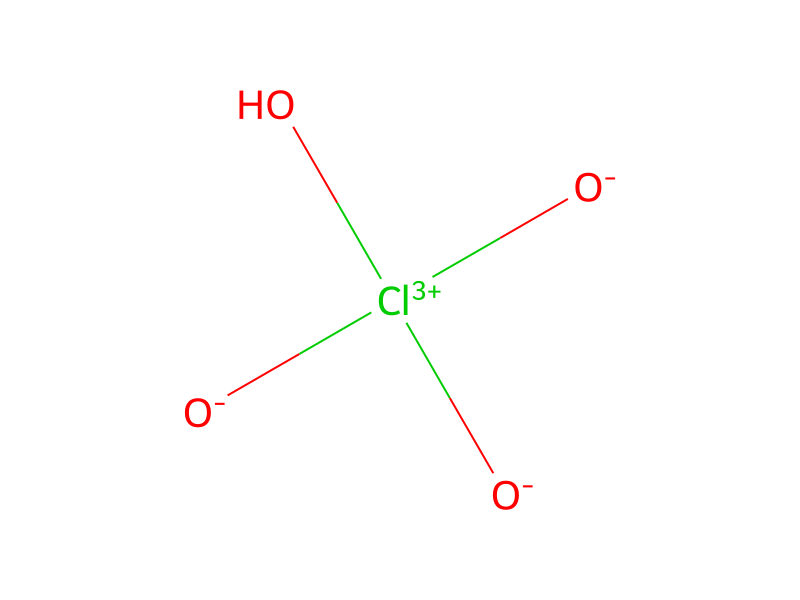

Product 1

Reagents, catalysts & solvents 1
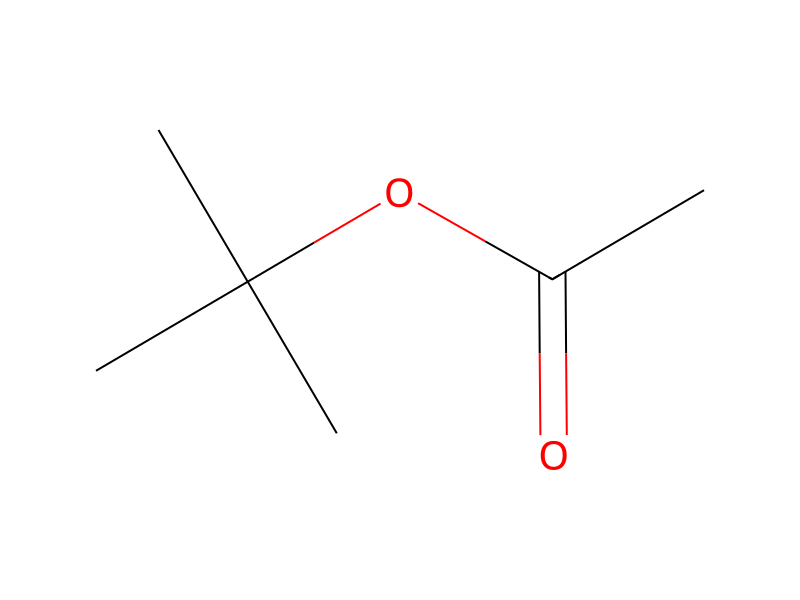
Procedure
The intermediate t-butyl octahydro-3-oxo-1H-isoindole-1-carboxylate is prepared from octahydro-3-oxo-1H-isoindole-carboxylic acid (Example 5) as follows. A mixture of 10 g of this acid and 0.4 ml of 70% perchloric acid in 150 ml of t-butyl acetate is allowed to stand for 2.5 days. An additional 50 ml of t-butyl acetate is added and the reaction is allowed to continue for 15 days. The solution is filtered and poured onto 14 g of 50% sodium hydroxide solution and ice. The product is extracted into ether. Drying and concentration gives a residue which when triturated with hexane gives material, mp 143°-149° C., suitable for further use.
Workup
- waitto continue for 15 days
- filtrationThe solution is filtered
- additionpoured onto 14 g of 50% sodium hydroxide solution and ice
- extractionThe product is extracted into ether
- customDrying
- concentrationconcentration
- customgives a residue which when
- customtriturated with hexane
- customgives material, mp 143°-149° C.
Sources & evidence
- ORD record
- ord-0b3cca78b1e64b90a433b9bbb884f3f2
- Source dataset
- uspto-grants-1985_03
- Patent number
- US04503043
Reaction notes
Loading…