Triethylamine → HCID 20406198, compound
Reaction equation

[NH2:1][C:2]1[CH:7]=[CH:6][C:5]([CH3:8])=[CH:4][C:3]=1[C:9]([C:11]1[CH:16]=[CH:15][C:14]([F:17])=[CH:13][CH:12]=1)=[O:10].[CH2:18]([S:21][CH2:22][C:23]([NH2:25])=[O:24])[CH2:19][CH3:20].C(OCl)(C)(C)C.C(N(CC)CC)C>C(Cl)Cl>[NH2:1][C:2]1[C:3]([C:9](=[O:10])[C:11]2[CH:16]=[CH:15][C:14]([F:17])=[CH:13][CH:12]=2)=[CH:4][C:5]([CH3:8])=[CH:6][C:7]=1[CH:22]([S:21][CH2:18][CH2:19][CH3:20])[C:23]([NH2:25])=[O:24]Participants
6




Conditions
- Temperature
- -70 °C
Procedure
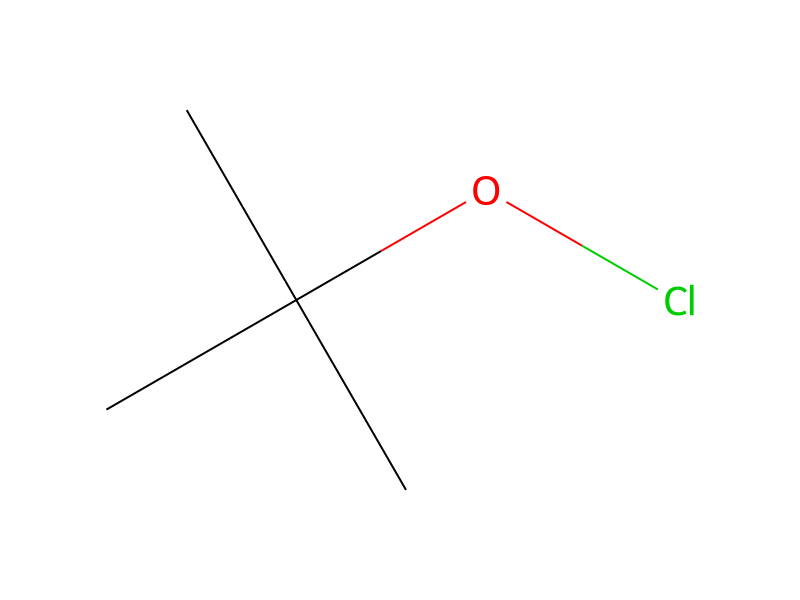
To a mixture of 45.8 g (0.2 mole) of (2-amino-5-methylphenyl)(4-fluorophenyl)methanone and 26.6 g (0.2 mole) of 2-(1-propylthio)acetamide and 700 ml of methylene chloride cooled to -70° C. was added 23 g (0.2 mole) of 95% t-butoxychloride over a 40 minute period. The mixture was kept at -70° C. for 2 additional hours and then 21 g (0.2 mole of triethylamine was added dropwise. The mixture was allowed to warm to room temperature and was washed with water. The organic layer was concentrated and the residue was triturated with isopropyl ether to give 61.7 g (86%) of the titled compound as yellow crystals, m.p. 130.5°-132.5° C.
Workup
- customwas kept at -70° C. for 2 additional hours
- temperatureto warm to room temperature
- washwas washed with water
- concentrationThe organic layer was concentrated
- customthe residue was triturated with isopropyl ether
Sources & evidence
- ORD record
- ord-a6f3b04eff6a45fc9660fe2e28882def
- Source dataset
- uspto-grants-1985_03
- Patent number
- US04503073
Reaction notes
Loading…