Carbon Dioxide → 4-Hydroxyquinoline
Reaction equation

[NH:1]1[C:10]2[C:5](=[CH:6][CH:7]=[CH:8][CH:9]=2)[C:4](=[O:11])[C:3](C(O)=O)=[CH:2]1.C(=O)=O.C>C(O)C>[NH:1]1[C:10]2[C:5](=[CH:6][CH:7]=[CH:8][CH:9]=2)[C:4](=[O:11])[CH:3]=[CH:2]1Participants
5
Reactant 3

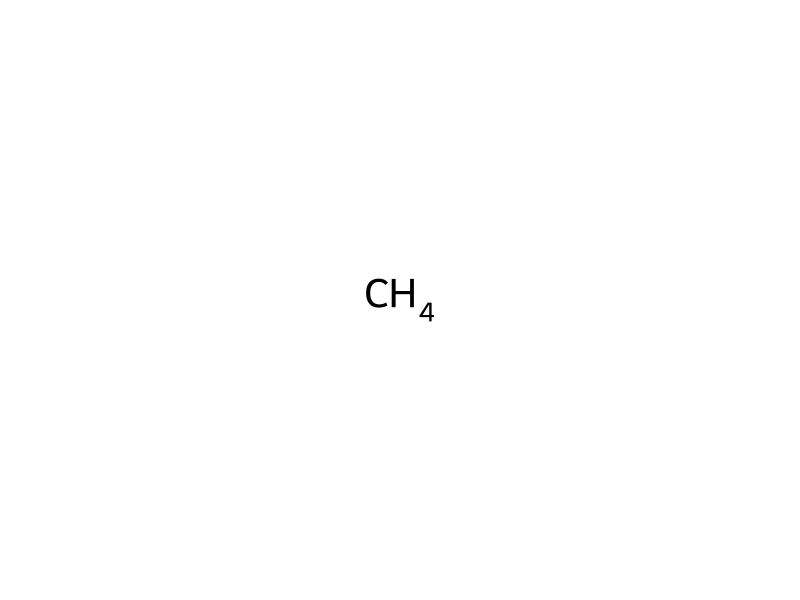

Product 1

Reagents, catalysts & solvents 1

Procedure
The 4(1H)-quinolone-3-carboxylic acid (65.5 g) was stirred and heated in a flask set in a fluidised sand bath at 270° C., under nitrogen, until no more CO2 was evolved (about twenty minutes). The fused mass was allowed to cool and then dissolved in boiling ethanol (400 ml). The solution was treated with charcoal, and filtered. The filtrates were evaporated to dryness, the residue dissolved in boiling n-butanol (80 ml), the solution cooled, and an equal volume of diethyl ether then added. The cream solid was collected and dried to give 4(1H)-quinolone, m.p. 205° C.
Workup
- temperatureheated in a flask
- custom(about twenty minutes)
- temperatureto cool
- dissolutiondissolved
- filtrationfiltered
- customThe filtrates were evaporated to dryness
- dissolutionthe residue dissolved
- temperaturethe solution cooled
- additionan equal volume of diethyl ether then added
- customThe cream solid was collected
- customdried
Sources & evidence
- ORD record
- ord-973047eb0ed1471d8fc2cbacc9b56644
- Source dataset
- uspto-grants-1983_06
- Patent number
- US04390541
Reaction notes
Loading…