Fluorine → Ethyl 3-(4-nitrophenyl)-3-fluoropyruvate
Reaction equation

[N+:1]([C:4]1[CH:9]=[CH:8][C:7]([CH2:10][C:11](=[O:17])[C:12]([O:14][CH2:15][CH3:16])=[O:13])=[CH:6][CH:5]=1)([O-:3])=[O:2].[F:18]F>C(#N)C>[N+:1]([C:4]1[CH:5]=[CH:6][C:7]([CH:10]([F:18])[C:11](=[O:17])[C:12]([O:14][CH2:15][CH3:16])=[O:13])=[CH:8][CH:9]=1)([O-:3])=[O:2]Participants
4
Reactant 2
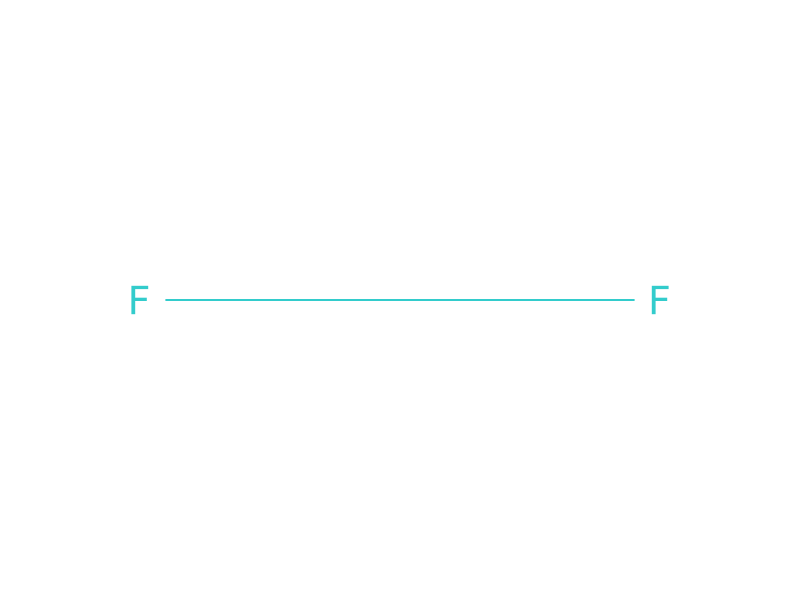

Product 1

Reagents, catalysts & solvents 1

Procedure
In the same manner as described in Example 1, ethyl 3-(4-nitrophenyl)pyruvate (11.86 g) is dissolved in acetonitrile (500 ml) and reacted with fluorine at -10° C. After the same work-up as above described, the residue is rectified to give syrupy ethyl 3-(4-nitrophenyl)-3-fluoropyruvate (3.83 g).
Sources & evidence
- ORD record
- ord-99a3a6d456e8434e919020f3c6dea221
- Source dataset
- uspto-grants-1983_06
- Patent number
- US04390702
Reaction notes
Loading…