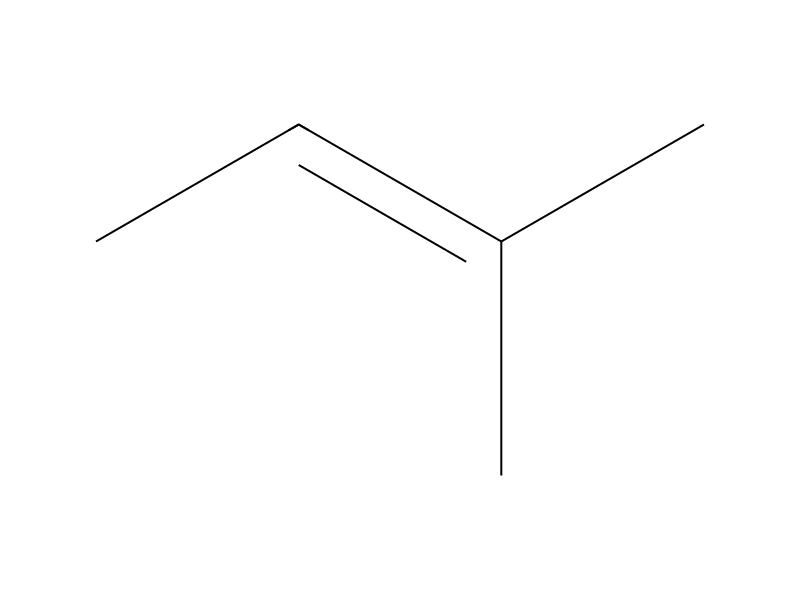
2-Methyl-2-butene → 1-(2-Bromopyridin-4-yl)cyclopropane-1-carboxylic acid
Reaction equation

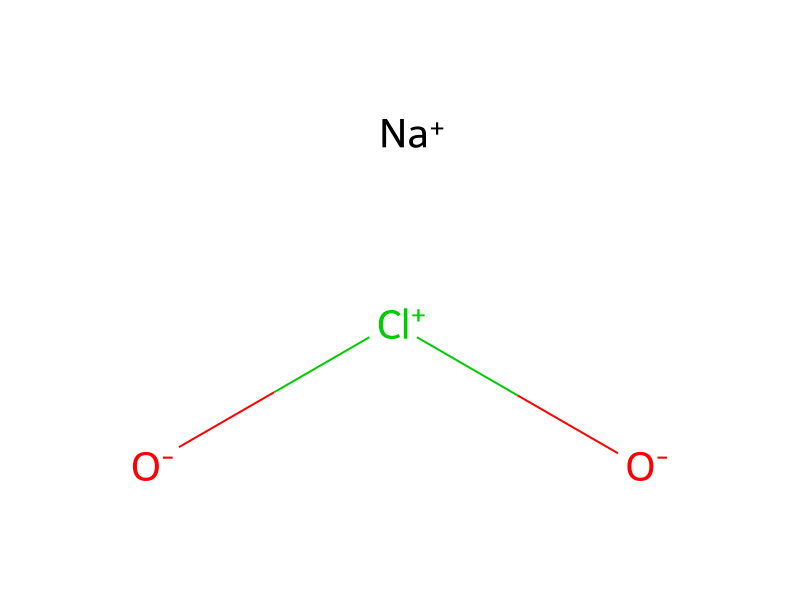
Cl([O-])=O.[Na+].[OH2:5].P([O-])(O)(O)=O.[Na+].[Br:12][C:13]1[CH:18]=[C:17]([C:19]2([CH:22]=[O:23])[CH2:21][CH2:20]2)[CH:16]=[CH:15][N:14]=1.CC(=CC)C>O.C(O)(C)(C)C>[Br:12][C:13]1[CH:18]=[C:17]([C:19]2([C:22]([OH:5])=[O:23])[CH2:20][CH2:21]2)[CH:16]=[CH:15][N:14]=1Participants
7
Reactant 4


Product 1

Reagents, catalysts & solvents 2


Procedure
A solution of sodium chlorite (368 mg, 3.26 mmol) and sodium dihydrogen phosphate monohydrate (449 mg, 3.26 mmol) in 5 mL of water is added dropwise to a solution of crude 1-(2-bromo-pyridin-4-yl)-cyclopropanecarbaldehyde (566 mg, 2.50 mmol) and 2-methyl-2-butene (1.73 mL, 16.3 mmol) in tert-butanol (12 mL), and the resulting reaction mixture is stirred at room temperature. After 18 hours, the mixture is concentrated in vacuo, acidified to pH 2 with 1M aqueous solution of HCl, diluted with brine (25 mL) and extracted with ethyl acetate (3×50 mL). The combined organic layers are dried over Na2SO4, filtered and concentrated to afford crude 1-(2-bromo-pyridin-4-yl)-cyclopropanecarboxylic acid, which is used without purification.
Workup
- customthe resulting reaction mixture
- concentrationthe mixture is concentrated in vacuo
- additiondiluted with brine (25 mL)
- extractionextracted with ethyl acetate (3×50 mL)
- dry with materialThe combined organic layers are dried over Na2SO4
- filtrationfiltered
- concentrationconcentrated
Sources & evidence
- ORD record
- ord-894c9cbae3ce4e32a02f16eef2964d4d
- Source dataset
- uspto-grants-2015_06
- Patent number
- US09056858B2
Reaction notes
Loading…