Ethyl Glycolate → Ethyl 2-((4-nitrophenoxy)carbonyloxy)acetate
Reaction equation

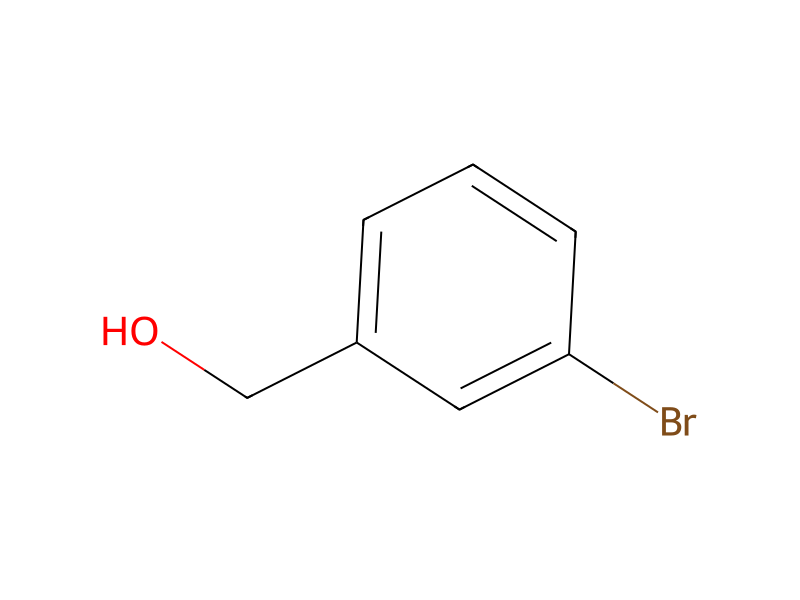
[C:1](=O)([O:11][C:12]1[CH:17]=[CH:16][C:15]([N+:18]([O-:20])=[O:19])=[CH:14][CH:13]=1)[O:2]CC1C=CC=C(Br)C=1.BrC1C=C(CO)C=CC=1.[OH:31][CH2:32][C:33]([O:35][CH2:36][CH3:37])=[O:34]>>[N+:18]([C:15]1[CH:16]=[CH:17][C:12]([O:11][C:1]([O:31][CH2:32][C:33]([O:35][CH2:36][CH3:37])=[O:34])=[O:2])=[CH:13][CH:14]=1)([O-:20])=[O:19]Participants
4



Procedure
The title compound was prepared using a procedure analogous to 3-bromobenzyl 4-nitrophenyl carbonate except that (3-bromophenyl)methanol was replaced with ethyl 2-hydroxyacetate. LCMS, [M+Na]+=292.0. 1H NMR (400 MHz, CDCl3) δ 8.24 (d, J=9.2 Hz, 2H), 7.37 (d, J=9.2 Hz, 2H), 4.72 (s, 2H), 4.25 (q, J=7.2 Hz, 2H), 1.28 (t, J=7.1 Hz, 3H).
Sources & evidence
- ORD record
- ord-07c9f0c70cd44b0c84d4665c98dc0f3f
- Source dataset
- uspto-grants-2015_06
- Patent number
- US09062028B2
Reaction notes
Loading…