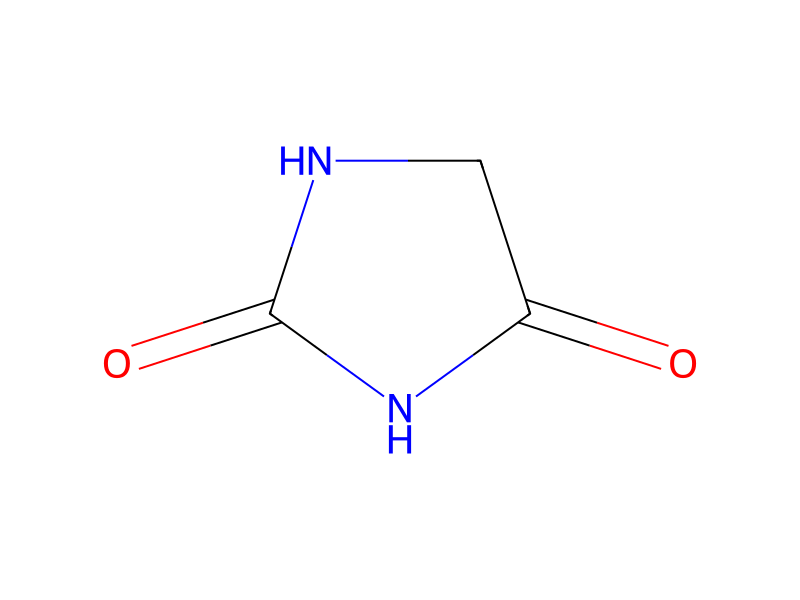
Hydantoin → 2-(2,5-Dioxo-4-imidazolidinyl)-n-{4-[(2-methyl-4-quinolinyl)methoxy]phenyl}propanamide
Reaction equation

Cl.Cl.[CH3:3][C:4]1[CH:13]=[C:12]([CH2:14][O:15][C:16]2[CH:22]=[CH:21][C:19]([NH2:20])=[CH:18][CH:17]=2)[C:11]2[C:6](=[CH:7][CH:8]=[CH:9][CH:10]=2)[N:5]=1.[NH:23]1[CH2:29][C:27](=[O:28])[NH:26][C:24]1=[O:25]>>[O:25]=[C:24]1[NH:23][CH:29]([CH:12]([CH3:11])[C:14]([NH:20][C:19]2[CH:18]=[CH:17][C:16]([O:15][CH2:14][C:12]3[C:11]4[C:6](=[CH:7][CH:8]=[CH:9][CH:10]=4)[N:5]=[C:4]([CH3:3])[CH:13]=3)=[CH:22][CH:21]=2)=[O:15])[C:27](=[O:28])[NH:26]1Participants
3


Procedure
2-(4-hydantoinyl)propionic acid (50 mg, 0.30 mmol) and 4-[(2-methyl-4-quinolinyl)methoxy]-aniline bis-HCl salt (101 mg, 0.30 mmol) were coupled using general coupling method A to give 20 mg (13%) of the product hydantoin. MS found: (M+H)+=419.
Sources & evidence
- ORD record
- ord-2082ea83014d4d678b03713da86d7201
- Source dataset
- uspto-grants-2005_05
- Patent number
- US06890915B2
Reaction notes
Loading…