Acetate → Ethyl 3-cyano-5-methyl-3-hexenoate
Reaction equation

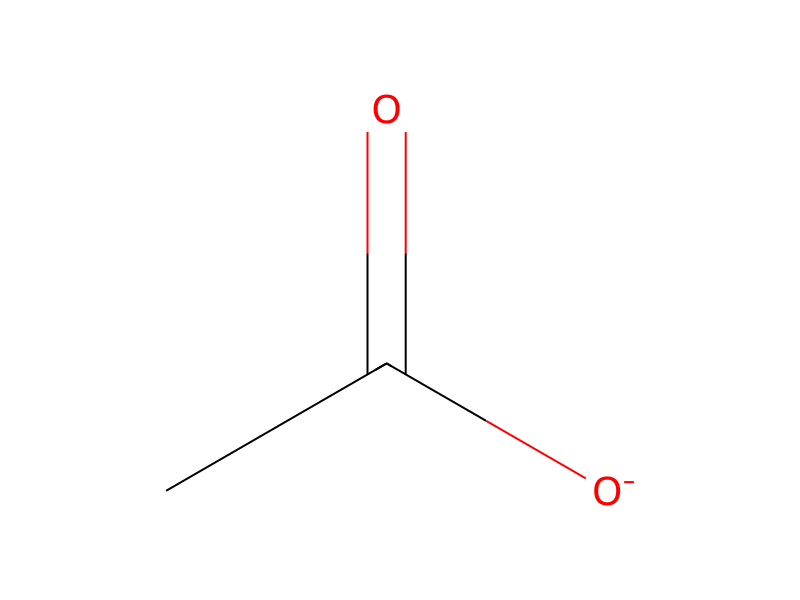
N12CCN(CC1)[CH2:3][CH2:2]2.[C:9]([O-:12])(=[O:11])[CH3:10].[CH3:13][CH:14]([CH3:20])[CH2:15][C:16](=C)[C:17]#[N:18]>[Pd]>[C:17]([C:16](=[CH:15][CH:14]([CH3:13])[CH3:20])[CH2:10][C:9]([O:12][CH2:2][CH3:3])=[O:11])#[N:18]Participants
5
Reactant 3


Product 1

Reagents, catalysts & solvents 1

Procedure
In the synthesis of a compound 1a according to Scheme 2, amine catalyzed addition of acrylonitrile (i.e., the Baylis-Hillman reaction) to 2-methylpropanal affords the cyano allylic alcohol. Typical amines used to catalyze the condensation include agents such as 1,4-diazabicyclo[2,2,2]octane (Dabco). The cyano allylic alcohol is subsequently converted to either an alkyl carbonate (e.g., by reaction with an alkyl halo formate such as ethyl chloro formate) or the respective acetate (by reaction with acetic anhydride or acetyl chloride). The resulting 2-(2-methylpropyl)prop-2-enenitrile is then subjected to palladium-catalyzed carbonylation to produce ethyl 3-cyano-5-methylhex-3-enoate 1a (e.g., where R1 is methyl or ethyl).
Sources & evidence
- ORD record
- ord-54b7dba7d8ec4d8baa66aa3b37920c83
- Source dataset
- uspto-grants-2005_05
- Patent number
- US06891059B2
Reaction notes
Loading…