Sodium Carbonate → 4-Pyridin-3-yl-benzoic acid
Reaction equation

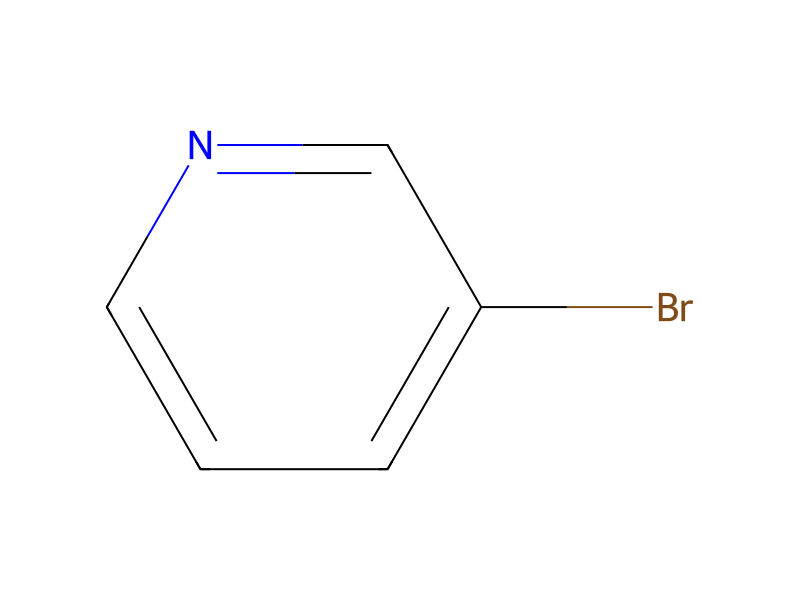
[C:1]([C:4]1[CH:9]=[CH:8][C:7](B(O)O)=[CH:6][CH:5]=1)([OH:3])=[O:2].Br[C:14]1[CH:15]=[N:16][CH:17]=[CH:18][CH:19]=1.C(=O)([O-])[O-].[Na+].[Na+]>COCCOC.C1C=CC([P]([Pd]([P](C2C=CC=CC=2)(C2C=CC=CC=2)C2C=CC=CC=2)([P](C2C=CC=CC=2)(C2C=CC=CC=2)C2C=CC=CC=2)[P](C2C=CC=CC=2)(C2C=CC=CC=2)C2C=CC=CC=2)(C2C=CC=CC=2)C2C=CC=CC=2)=CC=1>[N:16]1[CH:17]=[CH:18][CH:19]=[C:14]([C:7]2[CH:8]=[CH:9][C:4]([C:1]([OH:3])=[O:2])=[CH:5][CH:6]=2)[CH:15]=1Participants
6





Procedure
A mixture of 4-carboxybenzeneboronic acid (0.5 g, 2.9 mmol), 3-bromopyridine (0.46 g, 2.9 mmol), sodium carbonate (1.37 g), and tetrakis(triphenylphosphine)palladium(0) (0.1 g) in 50% aqueous 1,2-dimethoxyethane (70 mL) was heated to reflux for 16 h, cooled, acidified, and extracted with dichloromethane. The organic phase was dried and concentrated in vacuo to yield the title compound, which was used without further purification.
Workup
- temperaturewas heated
- temperatureto reflux for 16 h
- temperaturecooled
- extractionextracted with dichloromethane
- customThe organic phase was dried
- concentrationconcentrated in vacuo
Sources & evidence
- ORD record
- ord-939fca7a571f4031adc4388a58222ded
- Source dataset
- uspto-grants-2002_06
- Patent number
- US06399656B1
Reaction notes
Loading…