Hydrazine, (4-chlorophenyl)-, hydrochloride (1:1) → 1-(4-Chlorophenyl)-1-(2-cyclopentylethyl)hydrazine
Reaction equation

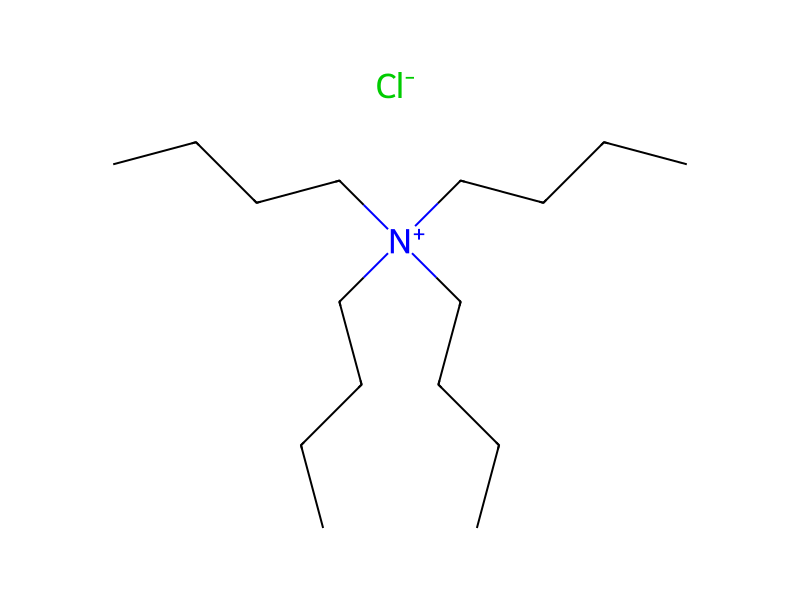
Cl.[Cl:2][C:3]1[CH:8]=[CH:7][C:6]([NH:9][NH2:10])=[CH:5][CH:4]=1.Br[CH2:12][CH2:13][CH:14]1[CH2:18][CH2:17][CH2:16][CH2:15]1>[Cl-].C([N+](CCCC)(CCCC)CCCC)CCC.[OH-].[Na+].O>[Cl:2][C:3]1[CH:8]=[CH:7][C:6]([N:9]([CH2:12][CH2:13][CH:14]2[CH2:18][CH2:17][CH2:16][CH2:15]2)[NH2:10])=[CH:5][CH:4]=1Participants
6
Reactant 2


Product 1

Reagents, catalysts & solvents 3


Conditions
- Temperature
- 60 °C
Procedure
4-Chlorophenylhydrazine hydrochloride (1.65 g, 9 mmol) was added to a vigorously stirred mixture of tetra-n-butylammonium chloride (0.126 g, 0.45 mmol) in 50% aqueous sodium hydroxide (9 mL) followed by (2-bromo-ethyl)-cyclopentane (1.74 g, 9.9 mmol). The reaction was heated to 60° C. (oil bath temperature) for 8 h. The reaction was cooled, diluted with water (75 mL) and extracted with chloroform (3×30 mL). The combined organic layer was dried (Na2SO4), filtered and concentrated under reduced pressure to an orange oil (0.69 g). The oil was subjected to column chromatography (silica gel, eluent: 50% dichloromethane in hexane followed by 70% dichloromethane in hexane) to give a yellow oil (1.17 g, 55%).
Workup
- temperatureThe reaction was cooled
- extractionextracted with chloroform (3×30 mL)
- dry with materialThe combined organic layer was dried (Na2SO4)
- filtrationfiltered
- concentrationconcentrated under reduced pressure to an orange oil (0.69 g)
Sources & evidence
- ORD record
- ord-2a368da8338645188f9c7514736a4175
- Source dataset
- uspto-grants-2012_12
- Patent number
- US08338447B2
Reaction notes
Loading…