Methane → 2-(1H-pyrazol-1-yl)aniline
Reaction equation

[N+:1]([C:4]1[CH:9]=[CH:8][CH:7]=[CH:6][C:5]=1[N:10]1[CH:14]=[CH:13][CH:12]=[N:11]1)([O-])=O.C.[H][H]>[Pd].CO>[NH2:1][C:4]1[CH:9]=[CH:8][CH:7]=[CH:6][C:5]=1[N:10]1[CH:14]=[CH:13][CH:12]=[N:11]1Participants
6
Reactant 3
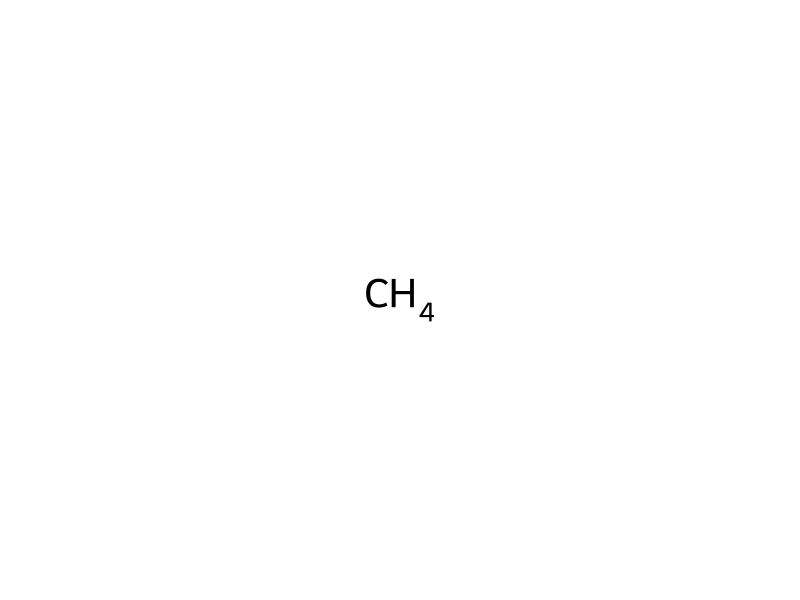


Product 1

Reagents, catalysts & solvents 2


Procedure
Into a Parr hydrogenation apparatus is successively added 20 g. (0.106 M.) of 1-(o-nitrophenyl)-pyrazole and 150 ml. of methanol and the resultant solution is hydrogenated in the presence of 1.0 g. of hydrogenation catalyst (10% Pd on active charcoal) at between 40 and 50 p.s.i. of hydrogen pressure at room temperature. After the theoretical uptake of hydrogen is achieved, the reaction mixture is filtered to remove the palladium and the solvent is removed on a rotary evaporator. Ether is then added to the resultant mixture and after removing the precipitated solids by filtration, the solvent is evaporated to yield a light amber colored oil (Yield: 90%).
Workup
- customat room temperature
- filtrationthe reaction mixture is filtered
- customto remove the palladium
- customthe solvent is removed on a rotary evaporator
- additionEther is then added to the resultant mixture
- customafter removing the precipitated solids
- filtrationby filtration
- customthe solvent is evaporated
Sources & evidence
- ORD record
- ord-4b1bac9c52464d0389322ae5252885cb
- Source dataset
- uspto-grants-1982_11
- Patent number
- US04359474
Reaction notes
Loading…