Water → Tetrabutylammonium Hydroxide
Reaction equation

[CH2:1]([N+:5]([CH2:14][CH2:15][CH2:16][CH3:17])([CH2:10][CH2:11][CH2:12][CH3:13])[CH2:6][CH2:7][CH2:8][CH3:9])[CH2:2][CH2:3][CH3:4].[OH2:18]>C(Cl)(Cl)Cl>[OH-:18].[CH2:14]([N+:5]([CH2:1][CH2:2][CH2:3][CH3:4])([CH2:6][CH2:7][CH2:8][CH3:9])[CH2:10][CH2:11][CH2:12][CH3:13])[CH2:15][CH2:16][CH3:17]Participants
4
Reactant 2

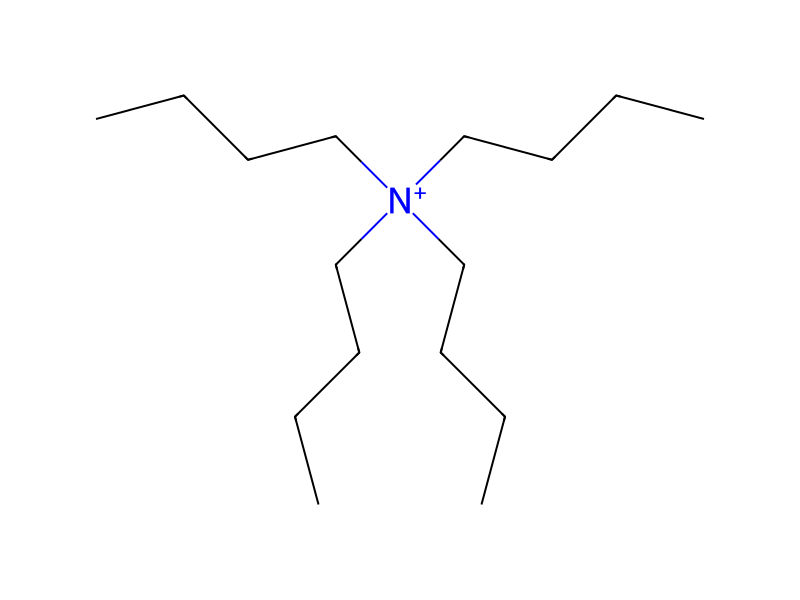
Product 1

Reagents, catalysts & solvents 1

Procedure
The corresponding salts of formula (V) or (VI) where M is tetrabutylammonium can be obtained from the corresponding acid, e.g. by neutralization with aqueous tetrabutylammonium hydroxide in the presence of a water immiscible organic solvent, preferably chloroform. The solvent layer is separated and the product isolated by evaporation of solvent. Alternately, the sodium or potassium salts of formula (V) or (VI) are reacted with an equimolar amount of aqueous tetrabutylammonium hydrogen sulfate in the presence of a water immiscible solvent, the precipitated alkali metal bisulfate salt removed by filtration and the product isolated by evaporation of solvent.
Sources & evidence
- ORD record
- ord-bfe757df43024460a429cff811b0296c
- Source dataset
- uspto-grants-1982_11
- Patent number
- US04359472
Reaction notes
Loading…