Potassium Carbonate → Methyl 3-(4-pyridyl)benzoate
Reaction equation

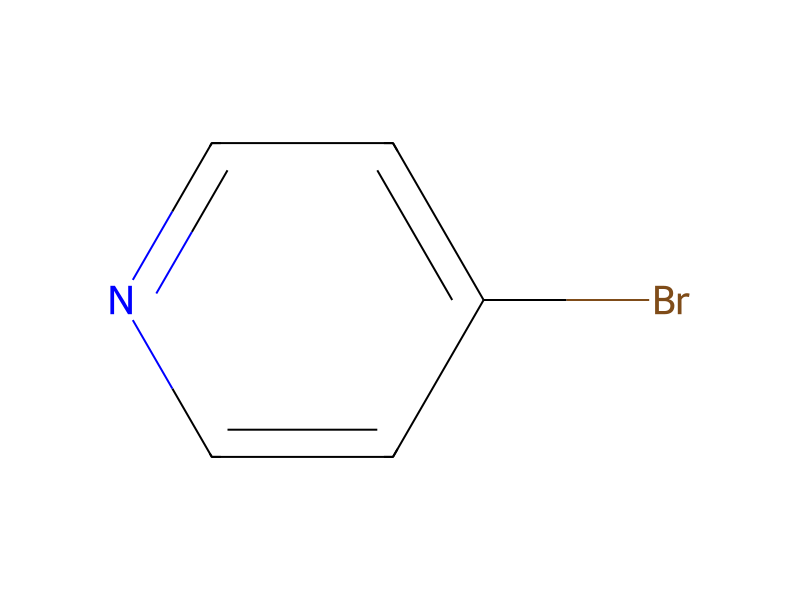
[CH3:1][O:2][C:3]([C:5]1[CH:6]=[C:7](B(O)O)[CH:8]=[CH:9][CH:10]=1)=[O:4].Br[C:15]1[CH:20]=[CH:19][N:18]=[CH:17][CH:16]=1.C([O-])([O-])=O.[K+].[K+].O1CCOCC1>C1C=CC(P(C2C=CC=CC=2)[C-]2C=CC=C2)=CC=1.C1C=CC(P(C2C=CC=CC=2)[C-]2C=CC=C2)=CC=1.Cl[Pd]Cl.[Fe+2].O>[N:18]1[CH:19]=[CH:20][C:15]([C:7]2[CH:6]=[C:5]([CH:10]=[CH:9][CH:8]=2)[C:3]([O:2][CH3:1])=[O:4])=[CH:16][CH:17]=1Participants
7
Reactant 4



Product 1

Reagents, catalysts & solvents 2


Conditions
- Temperature
- 120 °C
Procedure
A mixture of (3-(methoxycarbonyl)phenyl)boronic acid (600 mg, 3.33 mmol), 4-bromopyridine (583.5 mg, 3.0 mmol), K2CO3 (1.2 g, 9.0 mmol) and Pd(dppf)Cl2 (50 mg) in a solution of dioxane (10 mL) and H2O (2.5 mL) was stirred at 120° C. for 30 min with microwave heating. The catalyst was filtered and the filtrate concentrated. The residue was then purified by column chromatography to give the title product (630 mg Yield 90%).
Workup
- temperatureheating
- filtrationThe catalyst was filtered
- concentrationthe filtrate concentrated
- customThe residue was then purified by column chromatography
Sources & evidence
- ORD record
- ord-066b31a2310644c2a44bbf1659b8766f
- Source dataset
- uspto-grants-2016_06
- Patent number
- US09365519B2
Reaction notes
Loading…