Hydrochloric Acid → 1-Bromopentadecafluoroheptane
Reaction equation

[F:1][C:2]([F:25])([C:6]([F:24])([F:23])[C:7]([F:22])([F:21])[C:8]([F:20])([F:19])[C:9]([F:18])([F:17])[C:10]([F:16])([F:15])[C:11]([F:14])([F:13])[F:12])C(O)=O.[Br:26]Br.FF.Cl>>[F:1][C:2]([Br:26])([F:25])[C:6]([F:24])([F:23])[C:7]([F:22])([F:21])[C:8]([F:20])([F:19])[C:9]([F:18])([F:17])[C:10]([F:16])([F:15])[C:11]([F:14])([F:13])[F:12]Participants



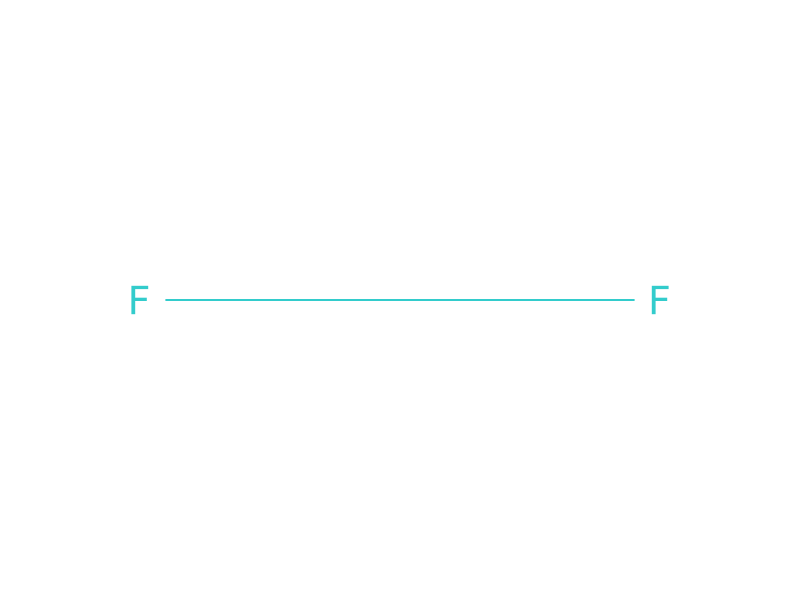

Procedure
Perfluorooctanoic acid 286 g (0.691 mole), bromine 55.3 g (0.345 mole) and Freon 113 (200 ml) were treated with fluorine (40 cc/min) at 30°-37° C. When approximately 0.42 mole of fluorine was used, the solution turned from dark red to orange. Perfluorooctanoic acid 500 g (1.208 mole) and bromine 112 g (0.700 mole) were added to the reaction mixture. The mixture was again treated with fluorine until the color of bromine disappeared (about 0.83 mole of additional fluorine was used). The reaction mixture was poured into dilute hydrochloric acid and the precipitated solid comprising unreacted perfluorooctanoic acid (about 115 grams) was recovered. The organic phase was then separated, washed with water containing some sodium thiosulfite, and dried over magnesium sulfate. Fractional distillation of the precipitate produced 697 g of perfluoroheptyl bromide (96% yield based on the amount of acid reacted), having a boiling point of 118° C.
Workup
- customthe precipitated solid comprising unreacted perfluorooctanoic acid (about 115 grams) was recovered
- customThe organic phase was then separated
- washwashed with water containing some sodium thiosulfite
- dry with materialdried over magnesium sulfate
- distillationFractional distillation of the precipitate
Sources & evidence
- ORD record
- ord-52fd7a095bc6415287f512bcb925c4ee
- Source dataset
- uspto-grants-1995_10
- Patent number
- US05455373
Reaction notes
Loading…