Perfluorodecanoic acid → 1-Bromoperfluorononane
Reaction equation

[F:1][C:2]([F:31])([C:6]([F:30])([F:29])[C:7]([F:28])([F:27])[C:8]([F:26])([F:25])[C:9]([F:24])([F:23])[C:10]([F:22])([F:21])[C:11]([F:20])([F:19])[C:12]([F:18])([F:17])[C:13]([F:16])([F:15])[F:14])C(O)=O.[Br:32]Br.FF>>[F:1][C:2]([Br:32])([F:31])[C:6]([F:30])([F:29])[C:7]([F:28])([F:27])[C:8]([F:26])([F:25])[C:9]([F:24])([F:23])[C:10]([F:22])([F:21])[C:11]([F:20])([F:19])[C:12]([F:18])([F:17])[C:13]([F:16])([F:15])[F:14]Participants
4


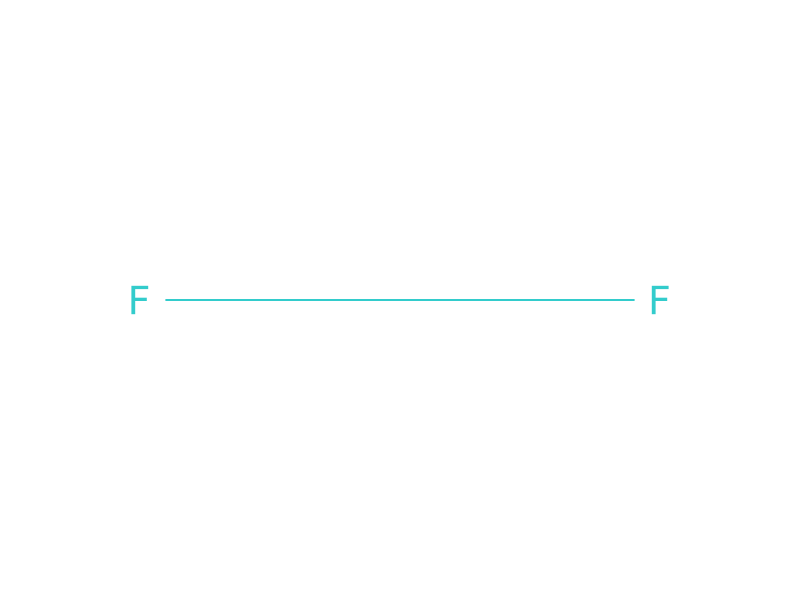

Procedure
Perfluorodecanoic acid 788 g (1.53 mole), bromine 144 g (0.90 mole) and Freon 113 (200 ml) were treated with fluorine at 30°-38° C. according to the method of Example 3. Approximately 736 g of perfluorononyl bromide (88% yield) was produced. The perfluoroalkyl halide has a boiling point between 95°-6° C./20 mm Hg and a melting point of 30° C.
Sources & evidence
- ORD record
- ord-3350c47d622c41fca7271ddba88e0ee5
- Source dataset
- uspto-grants-1995_10
- Patent number
- US05455373
Reaction notes
Loading…