Hydrogen Bromide → 1-Bromopentadecafluoroheptane
Reaction equation

[F:1][C:2]([F:25])([C:6]([F:24])([F:23])[C:7]([F:22])([F:21])[C:8]([F:20])([F:19])[C:9]([F:18])([F:17])[C:10]([F:16])([F:15])[C:11]([F:14])([F:13])[F:12])C(O)=O.[BrH:26].FF>>[F:1][C:2]([Br:26])([F:25])[C:6]([F:24])([F:23])[C:7]([F:22])([F:21])[C:8]([F:20])([F:19])[C:9]([F:18])([F:17])[C:10]([F:16])([F:15])[C:11]([F:14])([F:13])[F:12]Participants
4



Procedure
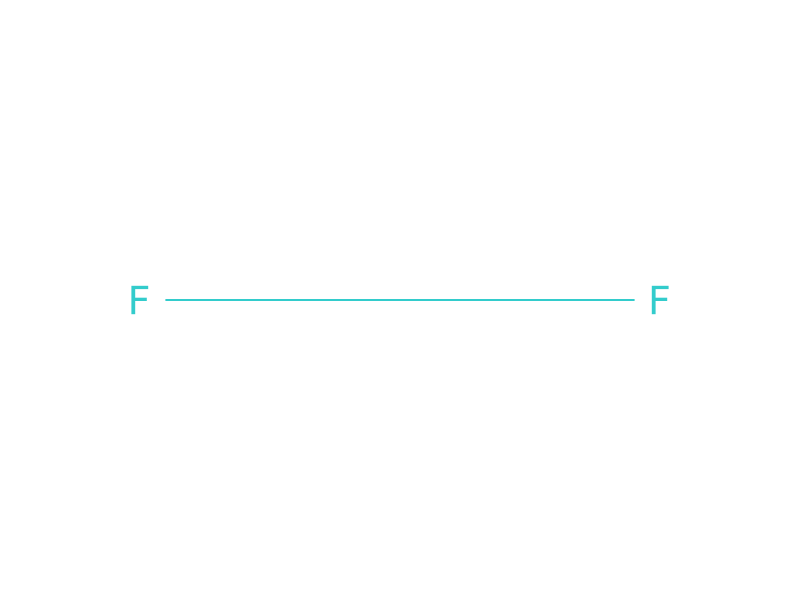
Perfluorooctanoic acid 18.6 g (0.045 mole), 48% hydrobromic acid 9.1 g (0.054 mole) and Freon 113 (400 ml) were mixed and treated with fluorine. The solution immediately turned to dark red. When the dark red color disappeared, fluorine was terminated and the reaction mixture was poured into dilute hydrochloric acid solution. The lower phase was separated and dried over magnesium sulfate. After removing the solvent, 7.2 g (36% yield) of perfluoroheptyl bromide was obtained.
Workup
- customfluorine was terminated
- additionthe reaction mixture was poured into dilute hydrochloric acid solution
- customThe lower phase was separated
- dry with materialdried over magnesium sulfate
- customAfter removing the solvent
Sources & evidence
- ORD record
- ord-28200f0daa9c47d48a279c1a3efd8678
- Source dataset
- uspto-grants-1995_10
- Patent number
- US05455373
Reaction notes
Loading…