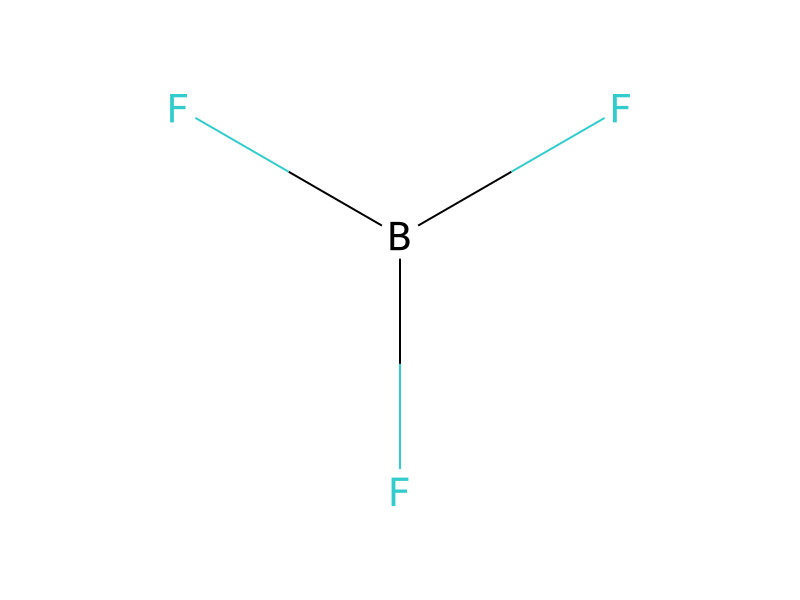
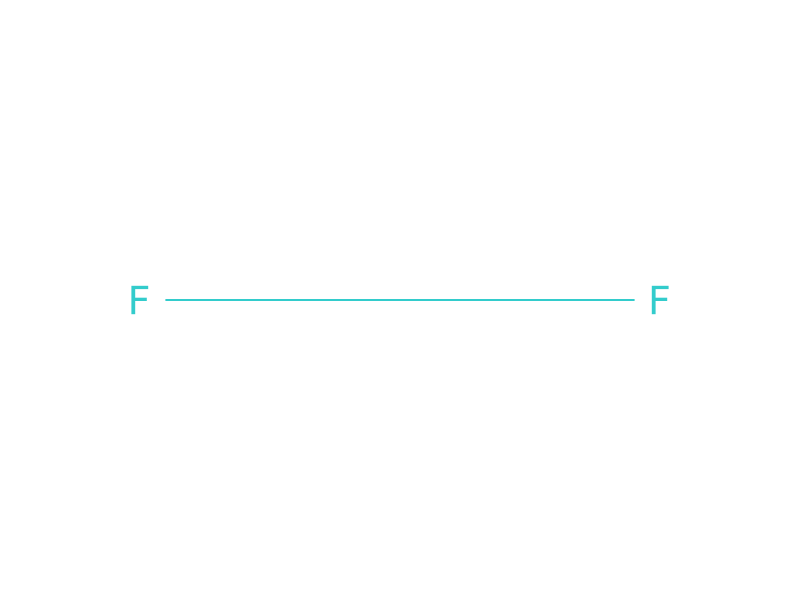
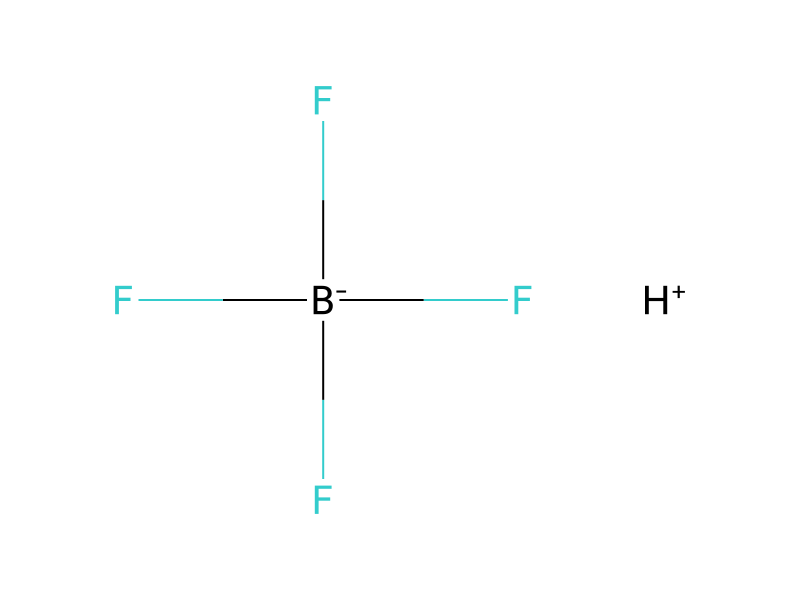
Boron trifluoride → 1-Fluoro-4-hydroxy-1,4-diazoniabicyclo[2.2.2]octane bis(tetrafluoroborate)
Reaction equation

[N:1]12[CH2:8][CH2:7][N+:4]([O-:9])([CH2:5][CH2:6]1)[CH2:3][CH2:2]2.B(F)(F)[F:11].[F:14][B-:15]([F:18])([F:17])[F:16].[H+].FF>C(#N)C>[F:14][B-:15]([F:18])([F:17])[F:16].[F:14][B-:15]([F:18])([F:17])[F:16].[OH:9][N+:4]12[CH2:7][CH2:8][N+:1]([F:11])([CH2:6][CH2:5]1)[CH2:2][CH2:3]2Participants
6
Reactant 4

Product 1

Reagents, catalysts & solvents 1

Procedure
A solution of 1,4-diazabicyclo[2.2.2]octane N-oxide (12.8 g, 0.1 mole), boron trifluoride gas (6.8 g, 0.1 mole), and tetrafluoroboric acid (50% solution, 12 g, 0.1 mole) in acetonitrile (200 mL) was cooled to 8° C. and treated with a mixture of fluorine in nitrogen (10% V/V, 0.15 mole). The reaction was evaporated, the remaining solid washed with acetone and dried to afford 21 grams of 1-hydroxyl-4-fluoro-1,4-diazoniabicyclo [2.2.2]octane bis(tetrafluoroborate) (65% yield).
Workup
- customThe reaction was evaporated
- washthe remaining solid washed with acetone
- customdried
Sources & evidence
- ORD record
- ord-6014ed3c82a846b5b48d363f9ee43401
- Source dataset
- uspto-grants-1995_10
- Patent number
- US05459267
Reaction notes
Loading…