p-Toluenesulfonic acid → 2,6-dichloro-3-methyl-N-[2-(1,3,4-oxadiazol-2-yl)phenyl]benzenamine
Reaction equation

[Cl:1][C:2]1[C:7]([CH3:8])=[CH:6][CH:5]=[C:4]([Cl:9])[C:3]=1[NH:10][C:11]1[CH:20]=[CH:19][CH:18]=[CH:17][C:12]=1[C:13]([NH:15][NH2:16])=[O:14].[CH:21](OCC)(OCC)OCC.C1(C)C=CC(S(O)(=O)=O)=CC=1>C(O)C>[Cl:1][C:2]1[C:7]([CH3:8])=[CH:6][CH:5]=[C:4]([Cl:9])[C:3]=1[NH:10][C:11]1[CH:20]=[CH:19][CH:18]=[CH:17][C:12]=1[C:13]1[O:14][CH:21]=[N:16][N:15]=1Participants
5

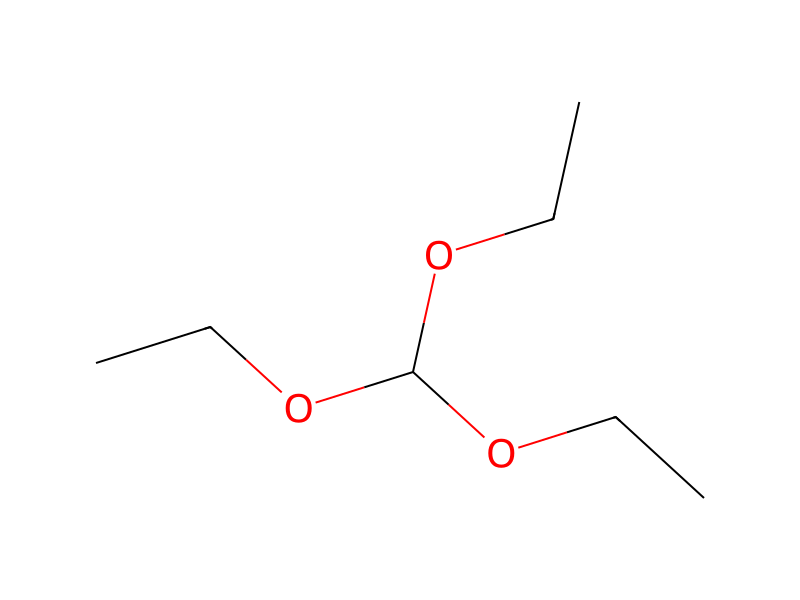



Procedure
To a room temperature suspension of 2-[(2,6-dichloro-3-methylphenyl)amino]-benzoic acid hydrazide (355.1 mg, 1.15 mmoles) in 6 ml of ethanol is added 2 ml of triethyl orthoformate followed by p-toluenesulfonic acid (20 mg, 0.11 mmoles). After stirring at room temperature overnight, the clear yellow solution is concentrated in vacuo. The residue is subjected to flash chromatography eluting with hexane:ethyl acetate (3:1). Subsequent recrystallization from ethanol yields 244.1 mg (67%) of 2,6-dichloro-3-methyl-N-[2-(1,3,4-oxadiazol-2-yl)phenyl]benzenamine, mp 180°-181° C.
Workup
- concentrationthe clear yellow solution is concentrated in vacuo
- washeluting with hexane:ethyl acetate (3:1)
- customSubsequent recrystallization from ethanol
Sources & evidence
- ORD record
- ord-22154f266f6c45058be59d5bc5dab677
- Source dataset
- uspto-grants-1995_10
- Patent number
- US05462952
Reaction notes
Loading…