Sodium Carbonate → HCID 131719174, compound
Reaction equation

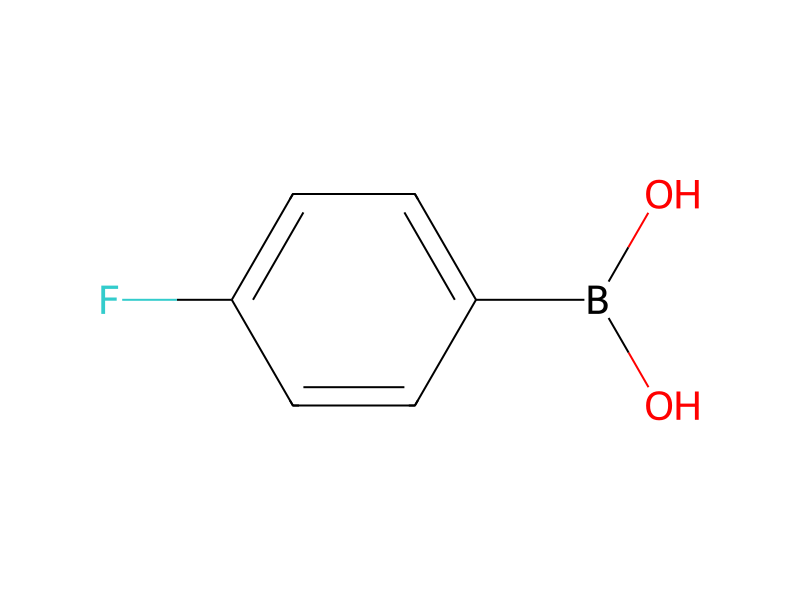
C[O:2][C:3](=[O:43])[C:4]1[C:9]([O:10][C:11]2[CH:16]=[CH:15][CH:14]=[C:13]([O:17][CH2:18][CH2:19][CH2:20][O:21][C:22]3[CH:27]=[C:26]([O:28]CC4C=CC=CC=4)[C:25](Br)=[CH:24][C:23]=3[CH2:37][CH3:38])[C:12]=2[CH2:39][CH2:40][CH3:41])=[CH:8][CH:7]=[CH:6][C:5]=1[F:42].C(=O)([O-])[O-].[Na+:48].[Na+].[F:50][C:51]1[CH:56]=[CH:55][C:54](B(O)O)=[CH:53][CH:52]=1>C1C=CC=CC=1.C(O)C.C(OCC)(=O)C.C1C=CC([P]([Pd]([P](C2C=CC=CC=2)(C2C=CC=CC=2)C2C=CC=CC=2)([P](C2C=CC=CC=2)(C2C=CC=CC=2)C2C=CC=CC=2)[P](C2C=CC=CC=2)(C2C=CC=CC=2)C2C=CC=CC=2)(C2C=CC=CC=2)C2C=CC=CC=2)=CC=1>[OH2:2].[Na+:48].[Na+:48].[F:42][C:5]1[CH:6]=[CH:7][CH:8]=[C:9]([O:10][C:11]2[CH:16]=[CH:15][CH:14]=[C:13]([O:17][CH2:18][CH2:19][CH2:20][O:21][C:22]3[CH:27]=[C:26]([OH:28])[C:25]([C:54]4[CH:55]=[CH:56][C:51]([F:50])=[CH:52][CH:53]=4)=[CH:24][C:23]=3[CH2:37][CH3:38])[C:12]=2[CH2:39][CH2:40][CH3:41])[C:4]=1[C:3]([O-:2])=[O:43].[F:42][C:5]1[CH:6]=[CH:7][CH:8]=[C:9]([O:10][C:11]2[CH:16]=[CH:15][CH:14]=[C:13]([O:17][CH2:18][CH2:19][CH2:20][O:21][C:22]3[CH:27]=[C:26]([OH:28])[C:25]([C:54]4[CH:55]=[CH:56][C:51]([F:50])=[CH:52][CH:53]=4)=[CH:24][C:23]=3[CH2:37][CH3:38])[C:12]=2[CH2:39][CH2:40][CH3:41])[C:4]=1[C:3]([O-:2])=[O:43]Participants
Reactant 3


Product 1

Reagents, catalysts & solvents 4




Procedure
To a solution of 2-fluoro-6-[2-propyl-3-[3-[4-bromo-2-ethyl-5-(phenylmethoxy)phenoxy]propoxy]phenoxy]benzoic acid methyl ester (1.77 g, 2.72 mmol) in benzene (12 mL) was added tetrakis(triphenylphosphine)palladium(0) (0.33 g, 0.30 mmol) and 2.0M aqueous sodium carbonate (4 mL). To this mixture was added a solution of 4-fluorophenylboronic acid (4.10 g, 8.16 mmol) in ethanol (5 mL). The resulting mixture was refluxed for 4 hours then cooled to room temperature. The mixture was diluted with ethyl acetate and shaken. The organic layer was washed once with water and once with 1N aqueous sodium hydroxide, dried over sodium sulfate, filtered, and concentrated in vacuo to provide an oil. De-benzylation and hydrolysis proceeded as described above for the preparation of Example 60. Salt formation and purification as described above for the preparation of Example 59(D) provided 403 mg (25%) of the desired title product as a fluffy white solid: NMR (DMSO-d6 ) 9.83 (bs, 1H), 7.50 (m, 2H), 6.96-7.16 (m, 4H), 6.96 (s, 1H), 6.74 (t, J=8.4 Hz, 2H), 6.57 (s, 1H), 6.40 (d, J=8.3 Hz, 1H), 6.35 (d, J=8.3 Hz, 1H), 4.16 (t, J=5.7 Hz, 2H), 4.05 (t, J=5.5 Hz, 2H), 2.40-2.58 (m, 4H), 2.18 (quintet, J=4.1 Hz, 2H), 1.41 (hextet, J=7.4 Hz, 2H), 1.07 (t, J=7.5 Hz, 3H), 0.80 (t, J=7.3 Hz, 3H); MS-FAB m/e 586 (p+1, 35), 585 (p, 100), 562 (33), 313 (30). IR (CHCl3, cm-1) 3300 (b), 2967, 1616, 1455, 1398, 1115. Analysis for C33H31O6F2Na.H2O: Calc: C, 65.77; H, 5.52; Found: C, 65.81; H, 5.41.
Workup
- temperatureThe resulting mixture was refluxed for 4 hours
- washThe organic layer was washed once with water and once with 1N aqueous sodium hydroxide
- dry with materialdried over sodium sulfate
- filtrationfiltered
- concentrationconcentrated in vacuo
- customto provide an oil
- customDe-benzylation and hydrolysis
- customas described above for the preparation of Example 60
- customSalt formation and purification
- customas described above for the preparation of Example 59(D)
Sources & evidence
- ORD record
- ord-59a14af104954612ba10c5a5d81df03f
- Source dataset
- uspto-grants-1995_10
- Patent number
- US05462954
Reaction notes
Loading…