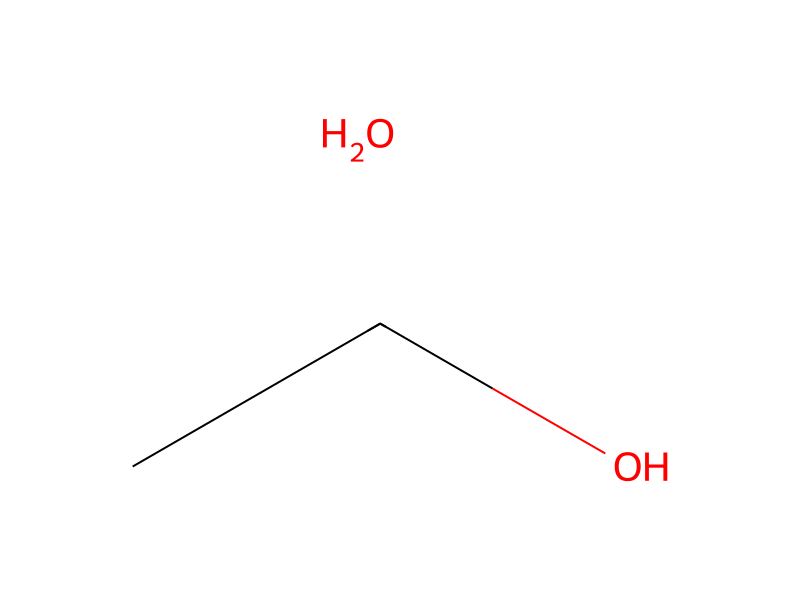
Ammonium Chloride → HCID 21959409, compound
Reaction equation

[C:1]([C:5]1[CH:10]=[CH:9][C:8]([N+:11]([O-])=O)=[CH:7][C:6]=1[C:14]1[CH:19]=[CH:18][N+:17]([CH3:20])=[CH:16][CH:15]=1)([CH3:4])([CH3:3])[CH3:2].[NH4+].[Cl-].[BH4-].[Na+]>O.CCO.C(Cl)Cl.[Fe]>[C:1]([C:5]1[CH:10]=[CH:9][C:8]([NH2:11])=[CH:7][C:6]=1[C:14]1[CH2:19][CH2:18][N:17]([CH3:20])[CH2:16][CH:15]=1)([CH3:4])([CH3:2])[CH3:3]Participants





Procedure
4-(2-tert-Butyl-5-nitrophenyl)-1-methylpyridinium (2.1 g, 7.8 mmol) (Step C) was added to a 100 mL round-bottom flask and dissolved in a 10% H2O/EtOH mixture. Iron dust (1.31 g, 23.4 mmol, 3 eq) and NH4Cl (460 mg, 8.6 mmol, 1.1 eq) were added. The flask was heated to reflux. After 2 h, the solution was cooled to RT and filtered through a pad of Celite®. The resulting solution was stripped down to a yellow solid and redissolved in MeOH (20 mL, anhydrous). The solution was cooled to 0° C. and slowly adding NaBH4 (450 mg, 11.7 mmol, 1.5 eq). The solution was cooled to RT and stirred for 30 min. The solvent was stripped-off under vacuum and the solid was redissolved in CH2Cl2 and filtered. The solution was concentrated in vacuo to afford an amorphous clear yellow solid. MS (ES+): 245.2 (M+H)+
Workup
- temperatureThe flask was heated to reflux
- filtrationfiltered through a pad of Celite®
- dissolutionredissolved in MeOH (20 mL, anhydrous)
- temperatureThe solution was cooled to 0° C.
- temperatureThe solution was cooled to RT
- filtrationfiltered
- concentrationThe solution was concentrated in vacuo
- customto afford an amorphous clear yellow solid
Sources & evidence
- ORD record
- ord-e0ab3fa2450f4751b2d9119066b67a78
- Source dataset
- uspto-grants-2006_09
- Patent number
- US07101868B2
Reaction notes
Loading…