4-(4-Chlorophenyl)-3-nitropyridine → HCID 21947116, compound
Reaction equation

[Cl:1][C:2]1[CH:7]=[CH:6][C:5]([C:8]2[CH:13]=[CH:12][N:11]=[CH:10][C:9]=2[N+:14]([O-])=O)=[CH:4][CH:3]=1>O.C(O)(=O)C.C(O)CC.C(OC(=O)C)C.[Fe]>[NH2:14][C:9]1[CH:10]=[N:11][CH:12]=[CH:13][C:8]=1[C:5]1[CH:6]=[CH:7][C:2]([Cl:1])=[CH:3][CH:4]=1Participants





Procedure
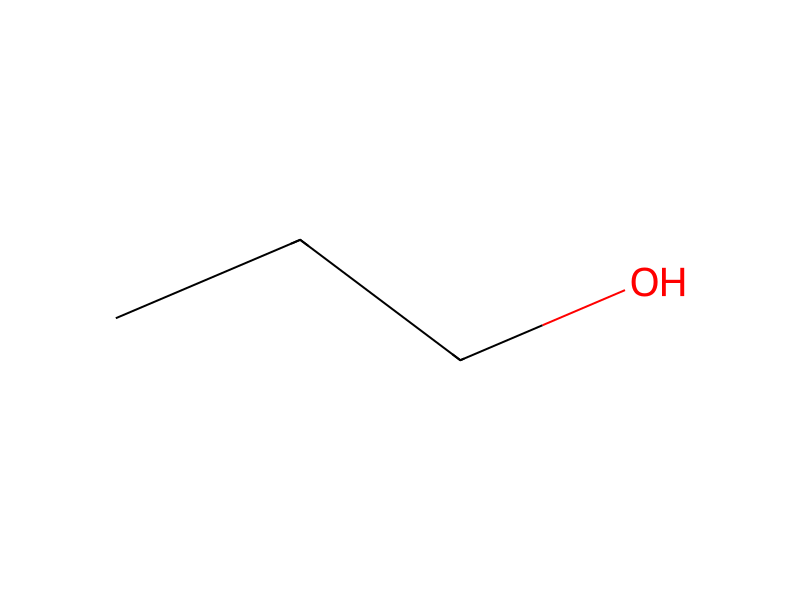
In a sulfonation flask 8.4 g (36 mmol) 4-(4′-chlorophenyl)-3-nitropyridine is dissolved in a mixture of 100 ml water, 35 ml acetic acid and 10 ml n-propanol. After the addition of 7.0 g (125 mmol) iron powder, the mixture is heated for 3 hours under reflux conditions. After cooling to room temperature the mixture is diluted with ethylacetate and filtered over hyflo. Then the filtrate is neutralized by the addition of sodiumbicarbonate solution and the organic phase separated. The water phase is extracted twice with ethylacetate and the combined organic phases dried over sodium sulfate. After distilling off the solvent in a water jet vacuum the obtained raw material is purified by column chromatography over silica gel (eluant: ethylacetate). Yield: 3.9 g 3-amino-4-(4′-chlorophenyl)pyridine in the form of a slightly brownish powder; m.p.: 144–146° C.
Workup
- temperaturethe mixture is heated for 3 hours under reflux conditions
- filtrationfiltered over hyflo
- additionThen the filtrate is neutralized by the addition of sodiumbicarbonate solution
- customthe organic phase separated
- extractionThe water phase is extracted twice with ethylacetate
- dry with materialthe combined organic phases dried over sodium sulfate
- distillationAfter distilling off the solvent in a water jet vacuum the
- customobtained raw material
- customis purified by column chromatography over silica gel (eluant: ethylacetate)
Sources & evidence
- ORD record
- ord-c304e6d1a8804183b958b2eee46bb135
- Source dataset
- uspto-grants-2006_09
- Patent number
- US07109150B2
Reaction notes
Loading…