Dichloromethane → 7-bromo-5-fluoro-1H-indole
Reaction equation

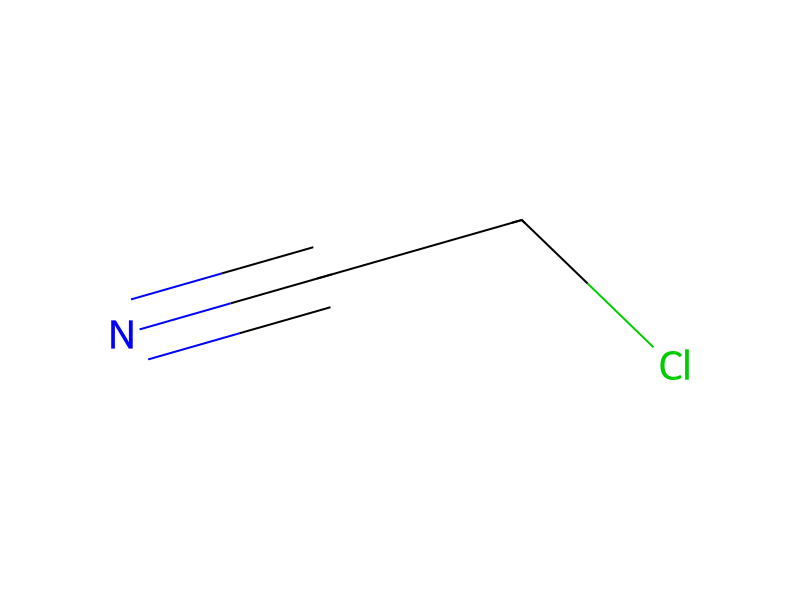
[Br:1][C:2]1[CH:8]=[C:7]([F:9])[CH:6]=[CH:5][C:3]=1[NH2:4].B(Cl)(Cl)Cl.C(Cl)Cl.Cl[CH2:18][C:19]#N.[Cl-].[Al+3].[Cl-].[Cl-]>ClCCCl>[F:9][C:7]1[CH:6]=[C:5]2[C:3](=[C:2]([Br:1])[CH:8]=1)[NH:4][CH:19]=[CH:18]2Participants






Procedure
2-Bromo-4-fluoro-aniline (13.8 g, 72.6 mmol) was added dropwise to a solution of boron trichloride in methylene chloride (1.0 M, 81.1 mL, 81.1 mmol) cooled with ice water. The reaction mixture was warmed to room temperature, stirred for 30 min, and chloroacetonitrile (13.5 mL, 87.1 mmol) and aluminum chloride (13.5 g, 98.4 mmol) added, followed by 1,2-dichloroethane (95 mL). The reaction mixture was heated to 70° C. to distill off methylene chloride, and then refluxed for 24 h. After cooling to 0–5° C., the mixture was treated with 2.5 M HCl (130 mL) carefully, and then heated to 80° C. for 1 h until all solids dissolved. The aqueous layer was separated and extracted with methylene chloride. The combined organic solutions were washed with water and brine, dried (sodium sulfate) and concentrated to a yellow solid (11, 56.9%), which was used without further purification. The crude product was taken into dioxane (68 mL) and water (7.6 mL), and treated with sodium borohydride (1.64 g) in portions. After 30 min at room temperature, all the starting material was consumed, and the reaction mixture was heated to reflux for 18 h. The mixture was cooled to room temperature, treated with 0.1 N HCl (70 mL), 2N HCl (20 mL) and concentrated HCl (15 mL), and extracted with ethyl acetate. The organic layer was separated and washed with water and brine, dried (sodium sulfate), and concentrated. Column chromatography on silica gel (hexanes/ethyl acetate) gave 5-fluoro-7-bromoindole (4.4 g, 52.2%). 1H NMR (400 MHz, CDCl3) 6.49, (dd, J1=2.35 Hz, J2=3.13 Hz, 1H), 7.06 (d, J1=2.35 Hz, J2=8.60 Hz, 1H), 7.14˜7.17 (m, 2H), 8.18 (br, 1H); MS (ES, m/z): C8H5BrFN: 211.9 (M+(79Br)−1), 214.0 (M+(81Br)−1).
Workup
- temperatureThe reaction mixture was heated to 70° C.
- distillationto distill off methylene chloride
- temperaturerefluxed for 24 h
- temperatureAfter cooling to 0–5° C.
- additionthe mixture was treated with 2.5 M HCl (130 mL) carefully
- temperatureheated to 80° C. for 1 h until all solids
- dissolutiondissolved
- customThe aqueous layer was separated
- extractionextracted with methylene chloride
- washThe combined organic solutions were washed with water and brine
- dry with materialdried (sodium sulfate)
- concentrationconcentrated to a yellow solid (11, 56.9%), which
- customwas used without further purification
- additiontreated with sodium borohydride (1.64 g) in portions
- waitAfter 30 min at room temperature
- customall the starting material was consumed
- temperaturethe reaction mixture was heated
- temperatureto reflux for 18 h
- temperatureThe mixture was cooled to room temperature
- additiontreated with 0.1 N HCl (70 mL), 2N HCl (20 mL) and concentrated HCl (15 mL)
- extractionextracted with ethyl acetate
- customThe organic layer was separated
- washwashed with water and brine
- dry with materialdried (sodium sulfate)
- concentrationconcentrated
Sources & evidence
- ORD record
- ord-6c89cdc29b0940c7a12c5b773aeddc3a
- Source dataset
- uspto-grants-2006_09
- Patent number
- US07109229B2
Reaction notes
Loading…