Ethyl Acetate → (2-Bromo-5-methoxy-3-methylphenyl)methanol
Reaction equation

[Br:1][C:2]1[C:7]([CH3:8])=[CH:6][C:5]([O:9][CH3:10])=[CH:4][C:3]=1[CH2:11]Br.C([O-])([O-])=[O:14].[Ca+2].CCOC(C)=O>O1CCOCC1.O>[Br:1][C:2]1[C:7]([CH3:8])=[CH:6][C:5]([O:9][CH3:10])=[CH:4][C:3]=1[CH2:11][OH:14]Participants

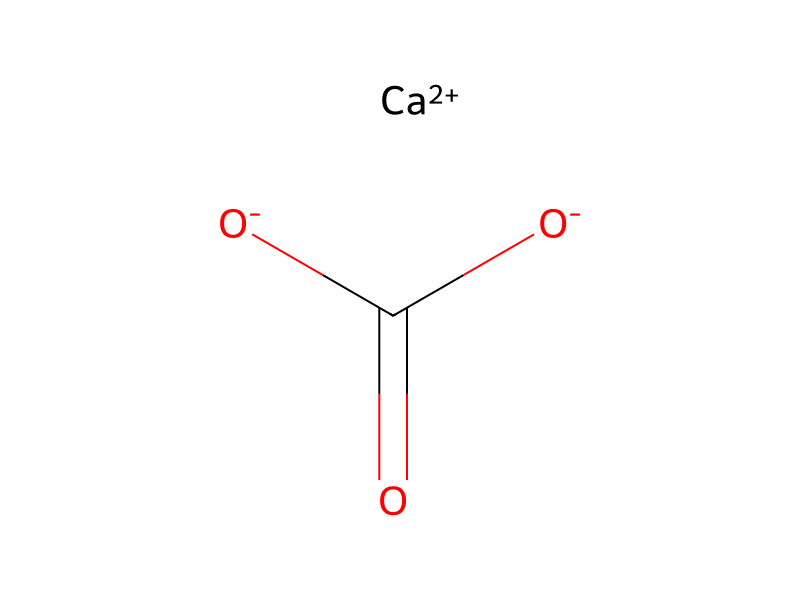


Conditions
- Temperature
- 110 °C
Procedure
A solution of 2-bromo-1-bromomethyl-5-methoxy-3-methyl-benzene ((Example 192: step b) 10.8 g, 36.7 mmol) in dioxane:water (1:1, 200 mL) was treated with CaCO3 and heated to reflux (110° C.)18 h. The reaction mixture was cooled to room temperature and filtered by gravity to remove solid salts. The dioxane was removed in vacuo. Dilute HCl (10 mL) was added, and the mixture was extracted with CH2Cl2 (2×150 mL). The combined organic layers were dried over MgSO4. The solvents were removed in vacuo to afford a pale orange oil, which slowly solidified upon standing. Silica gel chromatography (25% EtOAc in hexanes) yielded the product (2-bromo-5-methoxy-3-methyl-phenyl)-methanol (1.03 g, 12%) as a yellow oil. 1H NMR (CDCl3): δ 6.905 (d, 1H, J=3.2 Hz), 6.746 (d, 1H, J=3.2 Hz), 4.720 (d, 2H, J=3.6 Hz), 3.798 (s, 3H), 2.390 (s, 3H).
Workup
- temperatureheated
- temperatureThe reaction mixture was cooled to room temperature
- filtrationfiltered by gravity
- customto remove solid salts
- customThe dioxane was removed in vacuo
- additionDilute HCl (10 mL) was added
- extractionthe mixture was extracted with CH2Cl2 (2×150 mL)
- dry with materialThe combined organic layers were dried over MgSO4
- customThe solvents were removed in vacuo
- customto afford a pale orange oil, which
Sources & evidence
- ORD record
- ord-41b00c5d57dd40bb8be4d904d7f348ab
- Source dataset
- uspto-grants-2006_09
- Patent number
- US07109354B2
Reaction notes
Loading…