Ethyl Acetate → Diethyl 2-isopropylthiazole-4-methylphosphonate
Reaction equation

Cl[CH2:2][C:3]1[N:4]=[C:5]([CH:8]([CH3:10])[CH3:9])[S:6][CH:7]=1.[P:11]([O:18]CC)([O:15][CH2:16][CH3:17])[O:12][CH2:13][CH3:14].C(OCC)(=O)C>C(OCC)(=O)C.C(O)C>[CH:8]([C:5]1[S:6][CH:7]=[C:3]([CH2:2][P:11](=[O:18])([O:15][CH2:16][CH3:17])[O:12][CH2:13][CH3:14])[N:4]=1)([CH3:10])[CH3:9]Participants
5

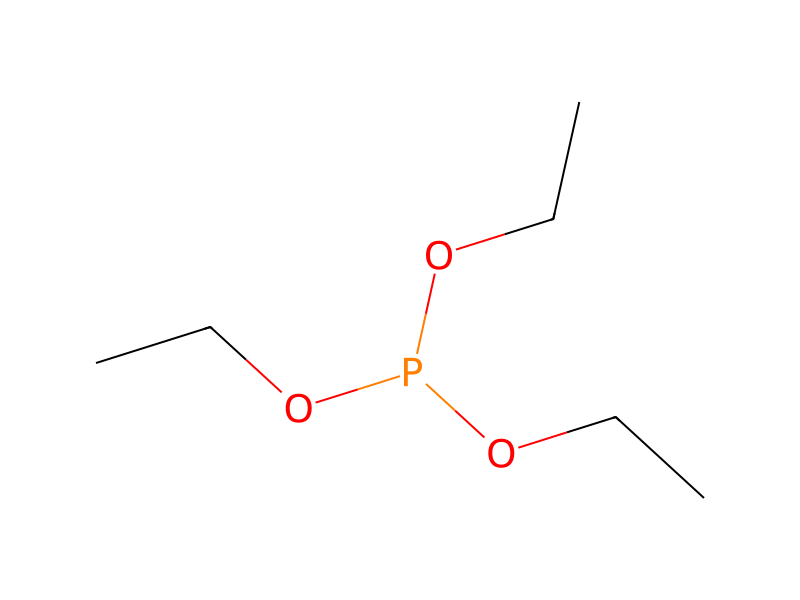


Conditions
- Temperature
- 160 °C
Procedure
A mixture of 4-chloromethyl-2-isopropyl-1,3-thiazole (1.90 g) and triethyl phosphite (3.49 g) was stirred at 160° C. for 16 hrs. Excess triethyl phosphite was evaporated under reduced pressure. The residue was subjected to silica gel column chromatography and eluted with ethyl acetate-hexane (1:1, v/v), ethyl acetate, then ethyl acetate-ethanol (10:1, v/v) to give diethyl [(2-isopropyl-1,3-thiazol-4-yl)methyl]phosphonate as a pale-yellow oil (2.48 g, yield 83%).
Workup
- customExcess triethyl phosphite was evaporated under reduced pressure
- washeluted with ethyl acetate-hexane (1:1
Sources & evidence
- ORD record
- ord-2ae2d7ef42a74fd8a0350cbd64f4c807
- Source dataset
- uspto-grants-2008_05
- Patent number
- US07368578B2
Reaction notes
Loading…