Sodium Hydroxide → 3-Oxaspiro[5.7]tridecan-2-ol
Reaction equation

[CH2:1]1[C:6]2([CH2:13][CH2:12][CH2:11][CH2:10][CH2:9][CH2:8][CH2:7]2)[CH2:5][CH2:4][O:3][C:2]1=[O:14].[H-].C([Al+]CC(C)C)C(C)C.O1CCCC1.[OH-].[Na+].S([O-])([O-])(=O)=O.[Mg+2]>O1CCCC1.C(OCC)C.O>[CH2:1]1[C:6]2([CH2:13][CH2:12][CH2:11][CH2:10][CH2:9][CH2:8][CH2:7]2)[CH2:5][CH2:4][O:3][CH:2]1[OH:14]Participants
Reactant 4

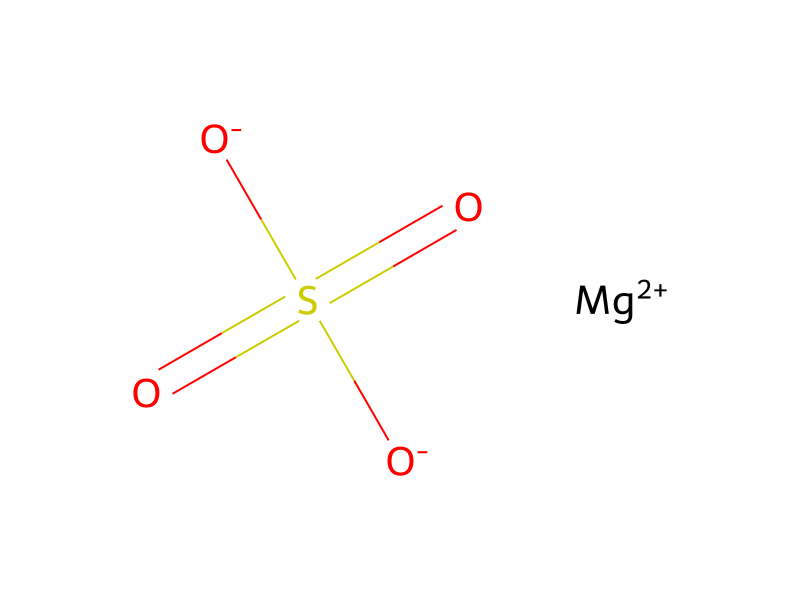


Product 1

Reagents, catalysts & solvents 3



Procedure
To a solution of 3-oxaspiro[5.7]tridecan-2-one (0.74 g) in tetrahydrofuran (9 mL) cooled at −78° C. was added 1M diisobutylaluminum hydride/tetrahydrofuran (4.9 mL) dropwise over 5 minutes. The reaction solution was then stirred at that temperature for 30 minutes. Water (0.18 mL) was added to the reaction solution. After allowing the temperature to rise to room temperature, a 15% aqueous sodium hydroxide solution (0.18 mL) and water (0.54 mL) were successively added to the solution. After stirring the reaction solution at room temperature for 10 minutes, diethyl ether (9 mL) and anhydrous magnesium sulfate (0.17 g) were added, and the solution was stirred for additional 15 minutes. The reaction solution was filtered with Celite. The filtrate was concentrated under reduced pressure. The resulting residue was purified by chromatography [silica gel, hexane-ethyl acetate (3:1 to 2:1 to 1:1)] to give the title compound (0.62 g).
Workup
- customto rise to room temperature
- stirringAfter stirring the reaction solution at room temperature for 10 minutes
- stirringthe solution was stirred for additional 15 minutes
- filtrationThe reaction solution was filtered with Celite
- concentrationThe filtrate was concentrated under reduced pressure
- customThe resulting residue was purified by chromatography [silica gel, hexane-ethyl acetate (3:1 to 2:1 to 1:1)]
Sources & evidence
- ORD record
- ord-b454820b966e40d380343a6a63b44c29
- Source dataset
- uspto-grants-2008_05
- Patent number
- US07375115B2
Reaction notes
Loading…