Hydrochloric Acid → 3,4,5-Trimethoxybenzene-1-sulfonyl chloride
Reaction equation

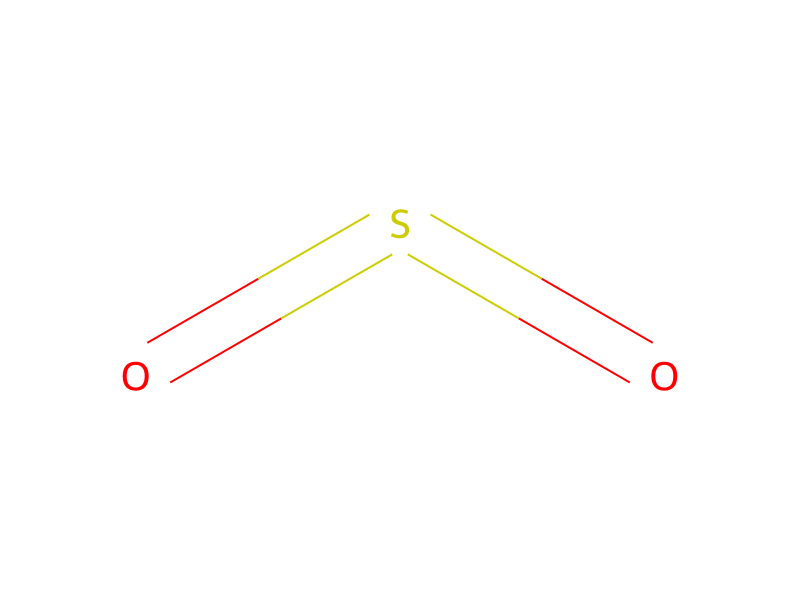
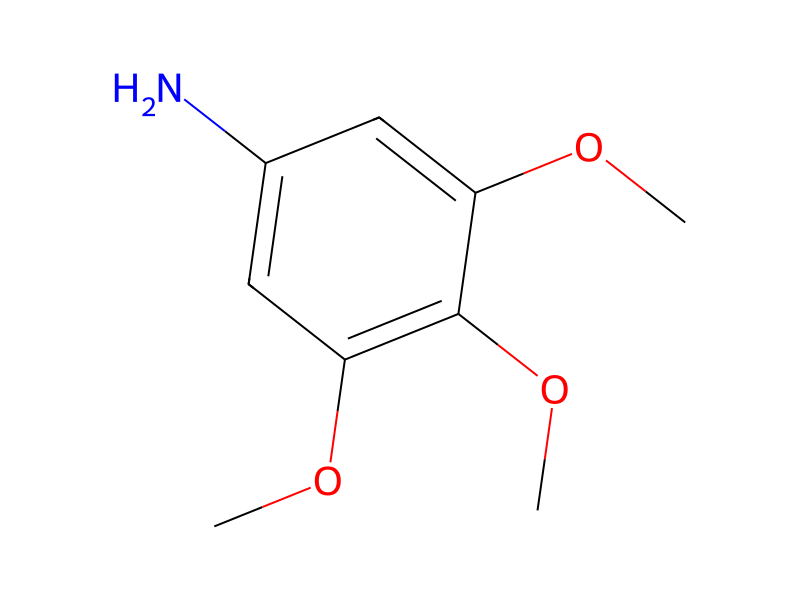
[CH3:1][O:2][C:3]1[CH:4]=[C:5]([CH:7]=[C:8]([O:12][CH3:13])[C:9]=1[O:10][CH3:11])N.N([O-])=O.[Na+].[S:18](=[O:20])=[O:19].O.[ClH:22]>NC1C=CC=CC=1.C(O)(=O)C>[CH3:1][O:2][C:3]1[CH:4]=[C:5]([S:18]([Cl:22])(=[O:20])=[O:19])[CH:7]=[C:8]([O:12][CH3:13])[C:9]=1[O:10][CH3:11]Participants






Procedure
3,4,5-Trimethoxybenzenesulfonyl chloride was synthesized from 3,4,5-trimethoxyaniline according to the procedure described in G. Pifferi and R. Monguzzi, Journal of Pharmaceutical Sciences, 1973, 62, 1393. In this procedure the aniline was dissolved in concentrated hydrochloric acid and to the resulting mixture was added a solution of aqueous sodium nitrite at 0° C, the resulting mixture containing the desired diazonium salt was added at 5° C. to a saturated solution of sulfur dioxide in glacial acetic acid containing substoichiometric amount of cuprous chloride. The mixture was stirred at ambient temperature for 3 h, poured into cold water, and the product extracted with dichloromethane. The solvent was evaporated and the solid residue was recrystallized from hexanes.
Workup
- extractionthe product extracted with dichloromethane
- customThe solvent was evaporated
- customthe solid residue was recrystallized from hexanes
Sources & evidence
- ORD record
- ord-88f6b588fb51482799b1b1490146181b
- Source dataset
- uspto-grants-2002_07
- Patent number
- US06417176B2
Reaction notes
Loading…