Acetic Anhydride → 3-(3-Chloro-2-methyl-phenoxymethyl)-5-methyl-1,2,4-oxadiazole
Reaction equation

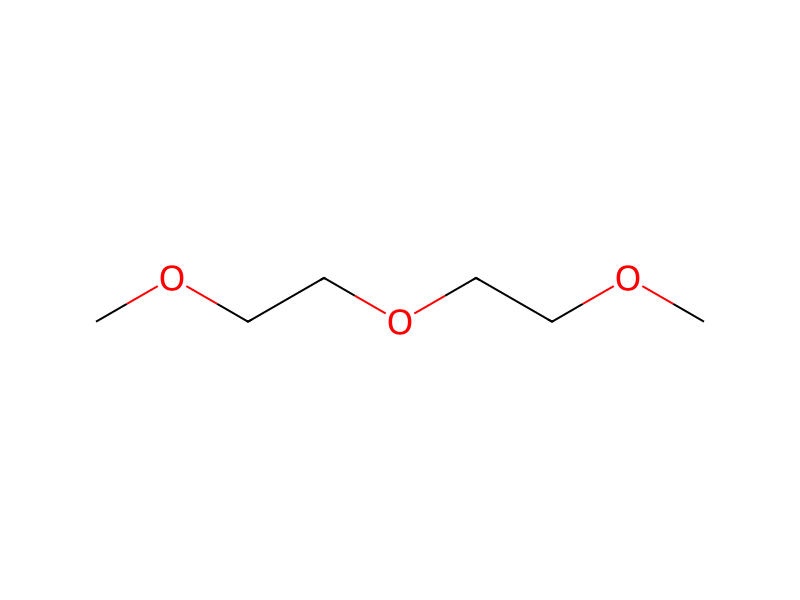
[Cl:1][C:2]1[C:3]([CH3:14])=[C:4]([CH:11]=[CH:12][CH:13]=1)[O:5][CH2:6][C:7](=[N:9][OH:10])[NH2:8].[C:15]([O-])(=O)[CH3:16].[Na+].C(OC(=O)C)(=O)C>COCCOCCOC>[Cl:1][C:2]1[C:3]([CH3:14])=[C:4]([CH:11]=[CH:12][CH:13]=1)[O:5][CH2:6][C:7]1[N:8]=[C:15]([CH3:16])[O:10][N:9]=1Participants
Reactant 3



Product 1

Reagents, catalysts & solvents 1
Procedure
7.0 g (32.6 mmol) of 3-chloro-2-methyl-phenoxy-acetamide oxime and 14.0 g (142.8 mmol) of sodium acetate are introduced into 80 ml of diglyme and the mixture is treated with 8.6 g (84.2 mmol) of acetic anhydride. The reaction mixture is stirred at reflux temperature until the reaction is complete (approximately 2 hours). The entire batch is subsequently concentrated, the product is treated with water, and the mixture is extracted using ethyl acetate. After the solvent has been distilled off, the crude product which remains is chromatographed over a silica gel column (silica gel 60 Merck, particle size: 0.040 to 0.063 mm) using methylene chloride as the eluent. 4.4 g (56.5% of theory) of 3-(3-chloro-2-methyl-phenoxymethyl)-5-methyl-1,2,4-oxadiazole are obtained.
Workup
- temperatureat reflux temperature until the reaction
- custom(approximately 2 hours)
- concentrationThe entire batch is subsequently concentrated
- additionthe product is treated with water
- extractionthe mixture is extracted
- distillationAfter the solvent has been distilled off
- customthe crude product which remains is chromatographed over a silica gel column (silica gel 60 Merck, particle size: 0.040 to 0.063 mm)
Sources & evidence
- ORD record
- ord-cba0ad7915c74481bc045fbdecd92ebf
- Source dataset
- uspto-grants-1995_06
- Patent number
- US05428047
Reaction notes
Loading…